Tag Archives: CosyChats

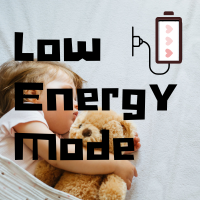
"A peaceful toddler sleeping soundly in a low-stimulation nursery

The Rise of “Low-Stim” Play: Why Parents Are Swapping Bright Lights for Quiet Nights

What is Low-Stimulation Play? (And Why Your Toddler Needs It)

In a world of flashing toys and high-speed cartoons, our kids’ nervous systems are often stuck in overdrive. Low-stim play focuses on “slow” entertainment—activities that don’t provide instant, artificial hits of dopamine. Think of it as a “sensory detox” that helps improve attention spans and reduces those end-of-day “witching hour” collapses.

Parenting is hard. Tablets and technology provide and easy fix to engaging your toddler but there can be a price to pay. Over-stimulation and a re wiring of the brain.  Low stimulation play is gaining popularity as a way of regulating play to include lower stimulating play.

3 Simple Ways to Fight Toddler Over-stimulation


1. The “Slow TV” Switch

We’ve all seen the “zombie stare” kids get from high-sensory shows. Parents are now pivoting to low-stim media—shows with muted colours, natural pacing, and acoustic soundtracks.

The Go-To’s: Classics like CBeebies Classic: In the Night Garden, The Tiger Who Came to Tea or Bing.

The Rule: If the camera cuts every 3 seconds, it’s likely overstimulating. Look for long, steady shots.

2. Sensory Bins: The Ultimate Focus Builder

The magic of a sensory bin is that it’s open-ended. There’s no “winning” or “levels”—just the tactile feeling of materials.

Dry Play: A tub of dried chickpeas, lentils, or kinetic sand with a few measuring cups.

Wet Play: A tray of soapy water and a few plastic “dirty” toy animals to “wash.”

Why it works: It grounds the child in their physical senses, which naturally lowers cortisol levels.

3. Toy Rotation & “Visual Silence”

Sometimes, the problem isn’t what they’re doing, but what they’re seeing. A room overflowing with bright plastic toys is a sensory minefield.

The Fix: Limit the “out” toys to 5–8 items. Store the rest in opaque bins.

Natural Materials: Prioritise wood, cotton, and wool. These materials have natural textures and weights that help a child understand their physical strength and coordination better than light plastic.

The Digital Detox: How to Wean Your Toddler Off High-Stim Devices

If the idea of weaning your toddler off technology feels too overwhelming just know you’ve got this.  Follow these small steps to help build boundaries that will work for you and your toddler.

1. The “Fade Out” Method (Don’t Go Cold Turkey)

Abruptly hiding the tablet usually leads to a “protest meltdown.” Instead, reduce the intensity first.

The Greyscale Trick: Go into your tablet/phone settings and turn the screen to Greyscale (Black and White). High-stim apps lose 80% of their “magic” when the bright neon colours are gone.

Volume Cap: Lower the maximum volume on the device. Lowering the sensory input makes the transition to “real world” sounds easier.

2. The “Bridge” Activity

Never turn off a device into “nothingness.” Always have a high-value, low-stim replacement ready to go before the screen goes black.

The Magnet Tile Setup: Have a half-built tower ready on the floor.

The Sensory Bin: A fresh tub of kinetic sand or water play is often the only thing “exciting” enough to compete with a screen.

The Goal: You aren’t “ending” the fun; you’re “moving” the fun to the floor.

3. Use “Visual Timers”

Toddlers have zero concept of “five more minutes.” They need to see time disappearing.

The Sand Timer: A physical 5-minute sand timer is hypnotic and low-stim.

The App Timer: Use a visual countdown clock that slowly changes colour.

The Rule: When the timer hits zero, they get to press the “off” button. Giving them the final action provides a sense of control.

4. Swap the “Type” of Tech

If you need 20 minutes to cook dinner, don’t reach for the iPad. Swap the Visual Stim for Audio Stim.

Audiobooks & Tonies: A Yoto Player or Toniebox allows them to “operate” their own entertainment (autonomy) without the brain-frying blue light.

The “Slow TV” Pivot: Transition from high-speed cartoons to “Slow TV” (like Puffin Rock or a live stream of a zoo panda) for a week before moving to total “off” time.

5. Create “Screen-Free Zones”

Boundaries are easier to follow when they are physical.

The Bedroom is Sacred: No devices in the bedroom, ever. This reinforces that the room is for “low-stim” rest.

The Table Rule: Meals are for sensory connection (tasting, smelling, talking). Keep devices in a “charging station” in another room.

6. Be the “Mirror”

Toddlers are “super-mimics.” If they see you “doomscrolling” on your phone, they will crave that same glowing rectangle.

The “Phone Bed”: Have a designated basket where your phone “goes to sleep” when you are playing with them.

Narrate Your Tech Use: If you must use your phone, say it out loud: “I’m just checking the weather for our walk,” then put it away. This teaches them that tech is a tool, not a toy.

Creating a “Low-Stim” Sanctuary

You don’t need a minimalist mansion to make this work. A simple “cosy corner” with a few soft pillows, a stack of board books, and a dimmable lamp can be a toddler’s best friend after a busy day at nursery.

When we lower the volume of the world, we give our kids the space to actually hear their own imagination.

The “Low-Stim” Wind-Down: A Bedtime Routine for Overstimulated Toddlers

1. The 6:00 PM “Visual Dim”

Melatonin (the sleep hormone) needs darkness to trigger. About an hour before sleep, start

“The Dimming.”

Turn off overhead lights: Switch to warm floor lamps or salt lamps.

The “No-Screens” Rule: Screens emit blue light that tricks the brain into thinking it’s morning. Aim for zero screens at least 90 minutes before bed.

Lower the Volume: Switch the background vibe from upbeat music to “pink noise” or soft acoustic guitar.

2. The Heavy Work Bath

A bath isn’t just for getting clean; it’s a sensory transition.

Temperature Matters: A slightly warm bath helps the body’s core temperature drop afterward, which is a biological signal for sleep.

Grounding Time: Let them “scrub” themselves or squeeze out heavy sponges. This “heavy work” helps ground a child who feels “flighty.”

3. The “Brain Dump” Storytime

Instead of high-intensity adventure books, choose rhythmic or repetitive stories.
Whisper Reading: Start reading at a normal volume and gradually get quieter (and slower) as the book progresses.

The “Today” Recaps: Before the final tuck-in, do a quick “low-light” chat. Ask them for one thing that made them happy today. It helps process the day’s emotions so they don’t pop up as “stalling tactics” later.

4. The “Sleepy Body” Scan

If your toddler is still wiggly, try a mini-meditation.


The “Squish”: Starting at their toes, have them “squeeze” their muscles tight for 3 seconds and then “melt like ice cream.” Work your way up to their face.>
Weighted Comfort: A weighted blanket (check age/weight safety) or a heavy knitted throw can provide the “hug” sensation that lowers anxiety.

5. Night Lights

If your little one needs a nightlight, swap the white or blue bulbs for red or amber tones. Red light is the only spectrum that doesn’t interfere with melatonin production, keeping their “sleep brain” active even if they wake up briefly in the night.

Master the “Stall”: How to Handle Bedtime Excuses Without the Drama


1. The “Power of Two” Choices

Stalling is often a bid for control. Give it back to them—on your terms. Instead of “Go to bed,” try:

“Do you want the blue pyjamas or the dinosaur ones?”

“Do you want to hop to the bathroom like a frog or slither like a snake?”

Why it works: Their brain switches from resisting to deciding, satisfying that need for independence.

2. The “Bedtime Pass” (The Game Changer)

Give your child one physical “Bedtime Pass” (a decorated card or a special stone).

The Rule: They can use it once for anything—a glass of water, one more hug, or a quick question.

The Reward: If they don’t use the pass by morning, they get a small incentive (like a sticker or choosing the breakfast music).

Why it works: It validates their need for “one more thing” while putting a firm boundary on it.

3. The “Curtain Call” Hug

Sometimes kids stall because they’re afraid they’re missing out on the “party” downstairs.

The Strategy: Tell them, “I’m going to go fold three shirts/wash two plates, and then I’ll come back and give you one last ‘tuck-in’ kiss.”

Why it works: It lowers their separation anxiety. They know you’re coming back, so they don’t feel the need to shout for you.

4. Anticipate the “Needs”

Beat them to the punch. Before the final tuck-in, do a “Master Check”:


“Is your tummy full?”

“Did we get all the wiggles out?”

“Is there a ‘secret’ you forgot to tell me today?”

The Final Clause: “Once the light goes red, the kitchen is closed and the ‘talking mouth’ goes to sleep.”

5. The “Boring Parent” Persona

If they do get out of bed, become the world’s most boring human.

No Lectures: Don’t explain why they need sleep.

Minimal Eye Contact: Keep your voice a low, robotic whisper.

The Phrase: “It’s time for sleep now. I love you. Back to bed.”

Why it works: If stalling results in a fun debate or a long cuddle, they’ll keep doing it. If it results in a boring walk back to bed, the “reward” disappears.

Here are top recommendations for a low-stim bedtime:

1. The Gold Standard: “The Rabbit Who Wants to Fall Asleep”

This book by Carl-Johan Forssén Ehrlin is famous for a reason.

The Vibe: It uses specific psychological techniques, including rhythmic language and yawn-inducing sentence structures, to lead a child toward sleep.

Why it works: It’s designed to be a “functional” audiobook—its primary goal is sleep, not high-energy entertainment.

2. Classic & Cozy: “Winnie-the-Pooh” (A.A. Milne)

The Hundred Acre Wood is the ultimate low-stim setting.

The Vibe: Gentle, repetitive adventures with no high-stakes villains.

Recommended Version: The Bernard Cribbins or Stephen Fry narrations are often praised for their warm, “snuggle-down” quality.

3. Modern Sleep Aids: “Ladybird Sleepy Tales”

Developed in collaboration with The Children’s Sleep Charity.

The Vibe: These ten stories (like Inside the Cosy Cocoon or Sky Magic) use soothing voices to describe comforting, stationary settings.

Why it works: They focus on mindfulness and relaxation rather than a plot that keeps a child wondering “what happens next?”

4. Rhythmic Favourites: “Goodnight, Goodnight, Construction Site”

Perfect for toddlers who love vehicles but need to calm down.

The Vibe: The story follows busy trucks as they finish their work and go to sleep one by one.

Why it works: The clear rhythm and “goodnight” pattern act like a lullaby for kids who find routine comforting.

5. Podcast Options: “Koala Moon” & “Sleep Tight Stories”

If you prefer a podcast format for your smart speaker:

Koala Moon: Features host Abbe Opher, whose voice is a parenting legend for its calming effect. Each episode is an immersive journey into a “Sleepy Forest”.

Sleep Tight Stories: Uses ambient backdrops like chirping crickets and rustling leaves to ground the listener.

Ready to reclaim your quiet evenings? 🌙


If you’re struggling to navigate the “witching hour” or need a custom low-stim plan tailored to your toddler’s personality, we’re here to help. [Book a 1:1 CosyChat today] and let’s build a bedtime routine that actually sticks—no more stalling, just sweet dreams.


Should we ban social media for under 16's

Should we ban social media for under 16’s

Would a ban on social media for under 16’s work?  

A quick AI search produces the below arguments for and against banning social media for under 16’s. On the face of it there appears valid arguments for and against a ban. 

As a parent i would certainly endorse both sides of the argument  

Social media provides support networks for my children.  

Relationships and support networks that exist outside of school. My children find comfort in virtual relationships with other like-minded individuals who can communicate and support each other.  My children have found space they can be themselves.   

I am concerned about exploitation on social media. 

The same seemingly safe space and relationships do though concern me.  Who are they talking to. What are they talking about.  Are children mature and worldly wise enough to support each other through difficult periods.  Are predators waiting around the next corner and despite however savvy my children are, I feel they are at risk.   

The argument for a ban is complicated and nuanced.  Summarised arguments provided by AI

Core Arguments for the Ban 
  • Mental Health and Wellbeing: Proponents argue that social media exposes developing brains to “addictive” dopamine-driven algorithms that can lead to increased rates of depression, anxiety, and low self-esteem. 
  • Protection from Harmful Content: Restricting access reduces the risk of children encountering violent, sexually explicit, or misogynistic material. 
  • Cyberbullying and Exploitation: A ban aims to safeguard children from online bullying, grooming, and sexual exploitation by predators. 
  • Cognitive Development: Educational leaders argue that excessive screen time and “doomscrolling” harm concentration spans and interfere with learning and healthy sleep patterns. 
  • Data Privacy: Younger users often lack the maturity to understand how their personal data is collected and monetized by tech companies. 
  • Empowering Parents: A legal age limit gives parents firmer ground to restrict use and shifts responsibility to the platforms rather than individual families.  


Criticisms and Counter-Arguments 
  • Loss of Support Networks: Opponents worry a ban isolates vulnerable youth, particularly those in rural or marginalized groups (e.g., LGBTQ+ or neurodivergent communities) who rely on online spaces for connection. 
  • Pushing Users to Unregulated Spaces: Critics argue that a ban might drive children to “darker corners” of the internet or less regulated messaging apps where they are even harder to protect. 
  • Enforcement and Privacy Concerns: Age verification often requires significant data collection (like government IDs or facial scans), which raises broad privacy risks for all users. 
  • Lack of Evidence: Some experts point out that research on the causal link between social media and mental health is still inconclusive. 
  • Infringement on Rights: Advocates for children’s rights argue that blanket bans violate the rights of young people to freedom of expression and access to information. 


What can parents do to protect their children before and after a social media ban?  

Educate, Understand and Communicate with your children? But does this really work? 

Can parents educate their children about social media.   

Personally, my children are far more tech savvy than Iiam.  Their world and perceptions are very different from mine.  Sometimes we speak a different language so can i educate them about social media use? 


The answer is yes but it will probably be clumsy and embarrassing but yes you can.  I try to relate social media interactions to real world situations, what you would write on a piece of paper and put in the window for instance.  Talking to people you don’t know. Its clumsy but it gets the point across.   

Understand your children. 

Are your children able and equipped to handle social media at any age?   

Age is just a number that may not relate to your child’s ability.  /Understanding your child is key.  Are they worldly wise?  Are they sensible?  Are they aware of boundaries? 

As their parents you are best placed but it doesn’t mean you’re the expert on your children. Children, like all humans, have an amazing capability to surprise you.  In a positive and negative way.    

 Communicate with your child.

The last is the most important of the three, I think.Understand and be part of their world.  Be the person they can talk to and come to you with anything.  I read a terrible story about children who are tricked into sharing explicit pictures with someone online.  They are subsequently blackmailed that unless they do as request, the image (s) will be shared.  Shame forces them to comply, and the child is trapped in a toxic relationship.  The child concerned took their own life.   

A wicked crime perpetrated by evil people, but this demonstrates the extreme dangers of the internet and social media.  The ability to prey on unsuspecting people and commit heinous acts.  For all its good social media and technology has the potential to commit horrible crimes. 

Shocking i know, but i hope it demonstrates that your child should be able to come to you with anything knowing you will help them. Not shame them and whatever has happened it can be overcome, and they will be safe.   

For all the talk about the dangers of social media and the internet, your child must know they can talk to you about anything. 

This goes beyond social media. It’s an across-the-board trust.   You’re not micromanaging their life, but they must know you’re there for them whatever.  No, if no buts, you’re there for them. How do you build an unbreakable trust with your child? 

You demonstrate it.  You put words into action. Be the parent who doesn’t blow up and scream and shout.  Be calmer and measured.  Have boundaries and rules sure but they don’t need to come with overreaction, shouting and shame.  

If you find this difficult, and we all do, then think of the child than felt they couldn’t tell their parents their problems, kept it all in and felt they didn’t have any solution.  Felt life was so bad they only had one solution.  At that moment you need your child to come to you but to build this trust takes time patience and understanding. 


Raising a family is hard and parents often need support and guidance, even if it’s just someone who will listen without judgement.  This is why we created CosyChats.  To create a safe space for parents to be heard with judgement but with understanding and compassion.   CosyChats hosts parents who can share their experience and knowledge to benefit you.  Parents who can listen and understand. Provide emotional support and/or practical solutions. People who can help you.  A ban social media for under 16’s is one of the many challenges parents must face. If you need support in any aspect of parenting then were here to help. CosyChats hosts parent who can help. 

Find the person who can help you on CosyChats (we call them CosyChatters).  Book a session  (we call them CosyChats) and get the help and support you need in a judgement free, safe space where you will be heard and understood.  

 CosyChats is a personalised parent support Service. 

What is Cosychats.com and what does Cosychats do? That can provide support to parents across a wide range of parenting issues including how to bring up happy and well-rounded children. How to allow children to follow their dreams and be happy.


Introducing CosyChats🛟1-2-1 Personalised Parent Support Sessions

🧷 Safe Spaces Free From Judgement and Shame

👍🏼Where No Problem Is Too Big and No Question To Small

👩‍��Offering Compassion and Understanding

🆘From Real Parents Who Know How Difficult Being a Parent Can Be

🧑‍🤝‍🧑Real Lived Knowledge & Experience

💻Virtual Sessions Where You Are In Control


Top 10 Benefits of the CosyChats service.👍🏼Access to a wealth of Parenting Experience and Knowledge.

👍🏼Your own personalised 1-2-1 service.

👍🏼A safe space free from judgement and shame.

👍🏼You are in control and choose the CosyChats parent and service that’s right for you.

👍🏼Years of lessons learnt and experience gained that can all be shared.

👍🏼Being understood and your needs heard.

👍🏼No question is too small, no problem too big.

👍🏼Compassion and support from people who understand how difficult being a parent can be.

👍🏼Its affordable and is far greater value than professional providers.

👍🏼Meetings are on online so you can join from where you feel most comfortable.

Thank you for reading this blog ‘Should we ban social media for under 16’s.’

Being a parent can be challenging. This is one of the reasons we set up CosyChats. CosyChats hosts experienced parents who can share their experience and knowledge by provide support and help to other parents. Seeking the help and support of someone who has walked in your shoes is absolutely the right thing to do.    


A parent feeling very lonely

Why being a parent can feel very lonely

Parental Loneliness is real even surrounded by friends and family.

Parenthood is often described as one of the most rewarding journeys a person can take. Yet, there is a silent side to it that many are afraid to voice: the deep, overwhelming loneliness that can settle in even when you are surrounded by friends and family.


Whether you are a new parent navigating the what seems like an incredibly scary journey and responsibility or a seasoned parent managing the chaos of a busy household. Feeling isolated is a common, yet rarely discussed, experience.

Am I A bad parent?

At Cosychats its one of the reason we felt the need to set up Cosychats.com and allow parents to connect and share experience.  Isolation happens to parents ‘you wanted this baby’ is often seen as a way out of helping. We have no idea why this is the case but people around you can leave you to fend for yourself and learn being a parent.

Why Being a Parent Can Feel So Lonely

It sounds like a paradox—how can you be lonely when you have a tiny human constantly needing your attention? But the loneliness of parenthood isn’t usually about physical solitude; it’s about a lack of meaningful adult connection and a shift in identity.

Domestic violence against parents by children

The Identity Shift: The transition to parenthood (often called matrescence for mothers or patrescence for fathers) involves a seismic shift in who you are. Many parents feel they have “lost” their former selves—their careers, hobbies, and social lives—and now exist primarily as a caregiver. This can lead to parental loneliness

Domestic violence against parents by children

Surface-Level Interactions: While you may have visitors or chat with other parents at the park, these interactions can often remain surface-level. You might talk about sleep schedules and milestones, but rarely about your fears, frustrations, or the fact that you’re struggling.

The “Mask” of Perfection: Social media often exacerbates this. Seeing “perfect” parenting online can lead to feelings of inadequacy, making you feel like you are the only one who finds it hard. This pressure to appear like you have it all together often prevents parents from being authentic about their struggles. Parental loneliness is real and cannot be ignored.

Is Women’s Safety Getting Worse?

Invisible Labor: For many, the mental load of parenting—planning meals, tracking milestones, and managing the household—is invisible. It can feel like you are carrying a massive weight that no one else truly sees or appreciates, leading to emotional distance even within a relationship.

Parents drop into traditional roles.  One parent works the other looks after the house and family.  Each parent working hard and not really appreciating the other as much as they should. Parental loneliness can happen in couples with one parent not feeling heard or able to express their emotions.

Does a new baby change your life that much?

Why You Should Seek Help


If you are feeling lonely, it is vital to remember that you are not failing. Loneliness is a natural signal—much like hunger or thirst—that your “social health” needs attention.

Parent Support and Help Introducing CosyChats

Loneliness Impacts Your Health: Chronic loneliness is more than a feeling; it is a significant public health concern. Research suggests it can have a physical impact equivalent to smoking 15 cigarettes a day and is a major risk factor for postpartum depression and anxiety.

It Affects Your Children: A child’s well-being is deeply connected to their parent’s. Parental loneliness and stress have been linked to higher rates of anxiety and social withdrawal in children. When you take care of your mental health, you are directly investing in your child’s future.

The Power of Peer Support: There is immense healing in hearing “me too.” Connecting with other parents who have “been there” can provide validation that professional advice sometimes cannot. Peer mentoring or support groups offer a safe, judgement-free space to take off the “perfect parent mask” and be your authentic self.

Taking the First Step

One of the most important steps we feel is recognising that you are isolated and lonely and that this is a valid emotion.  You shouldn’t feel guilt or shame.  That there is something wrong with you.  If you tripped and broke your leg it would impact you.  Loneliness can impact anyone and it should be recognised as a illness like any other.

Taking the first step is recognising the condition.  Accepting it is real and valid.  Its not something that will disappear on its own.  Loneliness and isolation can happen in crowds and being surrounded by friends and family.

Isolation happens for lots of reasons.  Children bring noise and disruption  and not everyone likes that.  You stop visiting people and people stop visiting you.  Before you know it your door bell isn’t ringing.

Taking the first step is telling people around you.  Not hiding it and seeking connection and support. Bringing up a family can be hard. We are parents not therapists and psychologists. We aren’t qualified but do put our own welfare behind that of our children and this can catch up with us.

Cosychats exists to provide help and support to parents by enabling connection between parents.  To find a parent who has experienced what you are going through and seeking their knowledge, experience and support. You are not alone.

CosyChats is a personalised parent support Service.

That can provide support to parents across a wide range of parenting issues including how to bring up happy and well round children. how to allow children to follow their dreams and be happy.

Introducing CosyChats

🛟1-2-1 Personalised Parent Support Sessions


🧷 Safe Spaces Free From Judgement and Shame

👍🏼Where No Problem Is Too Big and No Question To Small

👩‍👦Offering Compassion and Understanding

🆘From Real Parents Who Know How Difficult Being a Parent Can Be

🧑‍🤝‍🧑Real Lived Knowledge & Experience

💻Virtual Sessions Where You Are In Control

Top 10 Benefits of the CosyChats service.


👍🏼Access to a wealth of Parenting Experience and Knowledge.


👍🏼Your own personalised 1-2-1 service.

👍🏼A safe space free from judgement and shame.

👍🏼You are in control and choose the CosyChats parent and service that’s right for you.

👍🏼Years of lessons learnt and experience gained that can all be shared.

👍🏼Being understood and your needs heard.

👍🏼No question is too small, no problem too big.

👍🏼Compassion and support from people who understand how difficult being a parent can be.

👍🏼Its affordable and is far greater value than professional providers.

👍🏼Meetings are on online so you can join from where you feel most comfortable.


Thank you for reading this blog ‘Parental Loneliness is real even surrounded by friends and family’


Feeling lonely is a valid and normal human emotion.

Understanding the science of loneliness

Loneliness serves as a critical biological signal, much like hunger or thirst, alerting you that your fundamental social needs are not being met. It is increasingly recognized as a significant social determinant of health that reflects a universal need for connection rather than a personal failing.
1. It is a Biological Survival Signal
From an evolutionary perspective, loneliness is the “social equivalent” of physical pain.
  • A “Social Hunger”: Just as hunger motivates you to find food to survive, loneliness motivates you to seek the social bonds necessary for human survival.
  • Protection Mechanism: Loneliness triggers hypervigilance for social threats, an ancient response designed to keep individuals safe when they lack the protection of a group.
2. It is a Normal Response to Life Transitions
Loneliness is often a natural consequence of major situational changes rather than a character flaw. 
  • Parenting: The “abrupt gear change” of becoming a parent often leads to a shift in identity and the loss of previous social circles, making loneliness a common and expected part of the journey.
  • Major Life Shifts: Events like moving to a new area, changing jobs, or bereavement naturally disrupt social connections, making transient loneliness a standard part of the human experience.
3. It Highlights the Quality of Connections
You can feel lonely even when surrounded by people. 
  • Meaningful Engagement: Feeling lonely in a crowd is a valid signal that the quality of your current interactions is not meeting your need for deep, authentic connection.
  • Subjective Reality: Psychology defines loneliness as a personal, subjective experience. If you feel lonely, your social needs are objectively unmet for your specific temperament, regardless of how many people you know.
4. It Offers an Opportunity for Growth
When acknowledged without shame, loneliness can be a catalyst for positive change. 
  • Self-Discovery: It can provide the space needed for self-reflection and a deeper understanding of your own values and needs.
  • Motivation: Recognizing the “pain” of loneliness often provides the necessary push to prioritize and rebuild authentic relationships that truly nourish you.


what is cosychats.com and why should parents use it?

What is CosyChats.com

Why I chose CosyChats.com. 

What is Cosychats?

A groundbreaking and innovative new service, run for parents, by parents, Cosychats.com is a new online support service website for families.
Created from the ground up to be a safe space for parents, but also easily accessible to busy caregivers.  

How to bond and create childhood memories with your child

By booking a flexible online appointment on Cosychats.com with a parent that has been where you are now, you can talk without judgement and vent how you feel while getting practical real-world advice. The topics you might need help with are wide and varied, covering everything from adjusting to your changed identity as a new parent to worries about social media and the challenges of adolescence.  

Being an Adoptive Parent REALITY CHECK!

As a parent to a teenage boy myself, I feel incredibly proud and fortunate to be part of the CosyChats community. 

Writing for the site about the wide range of parenting challenges and assisting other parents has only reinforced for me what a desert the support environment is. 

Parent Support and Help

When taking into account factors such as parents needing to schedule in getting help around busy lives and struggling to afford any help in the midst of a cost-of-living crisis, it is clear the benefits of an online support hub, run by parents. 


Why is Cosychats.com so important for Parents 

Before becoming a parent, like most people, I had no idea of the upheaval and challenges involved in the process. It is a very consuming experience, and it is easy to feel swallowed up by it, losing all sense of your old self. 

Is WhatsApp SAFE for KIDS?

Even when a parent is fortunate to find someone to share how they feel, there may be many shortcomings in getting the kind of help they need. 

Anybody who has had therapy themselves will know that a great deal of its power is in its anonymity. It is incredibly liberating to vent how you feel without consequences or feeling judged. 

The outcomes for our next generation of young people are closely  tied to the well-being of their parents – so I feel it is in no way selfish of them, or trivial for me to offer help to other parents, and that it should be normal for overwhelmed parents to seek it. 

When CAHMS fails you what do you do

Often as young parents you may also feel that the focus is all on your child and that you are expected to feel fortunate so long as they are OK. No matter what is happening to you. 

This can only make parents bottle up how they feel further, making things worse. 

Even on a most basic level, as a parent you may be reluctant to share to avoid the judgement of being a bad parent or feel like you aren’t doing as well as other families. 

Other parents and relatives may have their own struggles and although people that care about you will always gladly listen, there comes a point where you worry about boundaries and that it might ruin your friendships or relationships. This is another plus-point to sharing how you feel anonymously with another experienced parent. 

Is YOUR Child a BULLY?

As your child gets older, issues like social media, toxic masculinity, bullying and the changes of adolescence can all be bewildering to parents without easily accessible external wisdom. 

How to learn – The power of sport to teach children

There are also many topics that parents are reluctant to talk about, for fear of the consequences of even just mentioning them, for fear of being seen as a failure as a parent, or for fear of getting their child in some kind of trouble. They may also worry about becoming the topic of idle gossip. 

This is why I see the great importance of working on a platform like CosyChats.
I can remember how it felt to be in the deep end of the parenting experience and yet still feel stigma and judgement in asking for help. That as parents, we should be completely selfless at all times.   

I can understand the overwhelming timetable of a young child, so I know the flexibility of an online platform can bring to this problem, and the reassurance of knowing help is here. 

I know the relief that comes in sharing, and that venting can immediately lower the weight a parent feels they are carrying alone. 


Why you should choose me 


I feel my own parenting journey has some rare aspects as well as the other components that every parent goes through. 

My circumstances meant I was a stay home father, so I know first-hand how it feels to parent fulltime, and also the unique difficulties such as being one of the only dads on a playground surrounded by mums. I know the difficulties in fitting parenting around the other demands of your life and how it feels to be a hands-on dad in a world where fathers are often expected to take the back seat. 

You will find me here, offering practical support, emotional assistance and a patient listening ear. 


When I have the chance to offer advice to other parents through CosyChats.com. I am often surprised when I realise how much, in humility, I have learned on my child-rearing journey. 

CosyChats for me is an opportunity to offer other parents the empathy, knowledge, encouragement and guidance that only someone that has actually been there can relate to – as the best experts are often the ones with recent lived experience. 


Many times, in life, when someone has shared a problem with me, I am proud to say that I remain calm and listen carefully. Only when I feel I had truly heard what they are trying to tell me, and after they feel their burden is somewhat lessened – would I offer any advice. I feel I am someone outwardly caring with plenty of empathy and these traits are well suited to CosyChats.com 


I know when to listen and when to speak, always with warmth and compassion.  

For many of the parenting problems you might face, I have genuinely been there – often more than once. 

Because I have had my hard moments being a parent, and hard moments in life, I feel that I’m genuinely not judging people. I know that unless you have been in their situations, or still even then – you don’t have the right to. 


Sparing other parents that come to the role after me from tackling some of the minefield of childcare alone is a very rewarding use of my time. I can only hope to make the experience emotionally and practically easier for other families compared to my own experience. 

I still remember the times that I felt overwhelmed, wondering if it would ever get easier and all the time, I just needed experienced guidance, without judgement. 

The chance to help someone and even listen to someone that is in a similar position to me is very validating, rewarding, and deeply affirming. Although I have specific life experience as a stay home dad. In a world where they often take a backseat. I have the empathy and life skills to help people, especially those people on a parenting journey. 


Parenting is not a fixed experience, and it evolves, I think especially for me as a full-time dad, and I approach it in ways differently from how I was raised or even from how just even one generation ago. 

New challenges require new approaches, and it is talking to someone that has been there; it becomes so much easier. This is why I chose to work with CosyChats. 

Drew, a passionate parent supporter on Cosychats.com  

CosyChats is a personalised parent support Service.

That can provide support to parents across a wide range of parenting issues including how to bring up happy and well round children. how to allow children to follow their dreams and be happy.


Introducing CosyChats

🛟1-2-1 Personalised Parent Support Sessions

🧷 Safe Spaces Free From Judgement and Shame

👍🏼Where No Problem Is Too Big and No Question To Small

👩‍👦Offering Compassion and Understanding

🆘From Real Parents Who Know How Difficult Being a Parent Can Be

🧑‍🤝‍🧑Real Lived Knowledge & Experience

💻Virtual Sessions Where You Are In Control


Top 10 Benefits of the CosyChats service.

👍🏼Access to a wealth of Parenting Experience and Knowledge.

👍🏼Your own personalised 1-2-1 service.

👍🏼A safe space free from judgement and shame.

👍🏼You are in control and choose the CosyChats parent and service that’s right for you.

👍🏼Years of lessons learnt and experience gained that can all be shared.

👍🏼Being understood and your needs heard.

👍🏼No question is too small, no problem too big.

👍🏼Compassion and support from people who understand how difficult being a parent can be.

👍🏼Its affordable and is far greater value than professional providers.

👍🏼Meetings are on online so you can join from where you feel most comfortable.


Thank you for reading this blog ‘What is Cosychats.com and what does Cosychats do? ‘