Tag Archives: parenting support

A parent feeling very lonely

Why being a parent can feel very lonely

Parental Loneliness is real even surrounded by friends and family.

Parenthood is often described as one of the most rewarding journeys a person can take. Yet, there is a silent side to it that many are afraid to voice: the deep, overwhelming loneliness that can settle in even when you are surrounded by friends and family.


Whether you are a new parent navigating the what seems like an incredibly scary journey and responsibility or a seasoned parent managing the chaos of a busy household. Feeling isolated is a common, yet rarely discussed, experience.

Am I A bad parent?

At Cosychats its one of the reason we felt the need to set up Cosychats.com and allow parents to connect and share experience.  Isolation happens to parents ‘you wanted this baby’ is often seen as a way out of helping. We have no idea why this is the case but people around you can leave you to fend for yourself and learn being a parent.

Why Being a Parent Can Feel So Lonely

It sounds like a paradox—how can you be lonely when you have a tiny human constantly needing your attention? But the loneliness of parenthood isn’t usually about physical solitude; it’s about a lack of meaningful adult connection and a shift in identity.

Domestic violence against parents by children

The Identity Shift: The transition to parenthood (often called matrescence for mothers or patrescence for fathers) involves a seismic shift in who you are. Many parents feel they have “lost” their former selves—their careers, hobbies, and social lives—and now exist primarily as a caregiver. This can lead to parental loneliness

Domestic violence against parents by children

Surface-Level Interactions: While you may have visitors or chat with other parents at the park, these interactions can often remain surface-level. You might talk about sleep schedules and milestones, but rarely about your fears, frustrations, or the fact that you’re struggling.

The “Mask” of Perfection: Social media often exacerbates this. Seeing “perfect” parenting online can lead to feelings of inadequacy, making you feel like you are the only one who finds it hard. This pressure to appear like you have it all together often prevents parents from being authentic about their struggles. Parental loneliness is real and cannot be ignored.

Is Women’s Safety Getting Worse?

Invisible Labor: For many, the mental load of parenting—planning meals, tracking milestones, and managing the household—is invisible. It can feel like you are carrying a massive weight that no one else truly sees or appreciates, leading to emotional distance even within a relationship.

Parents drop into traditional roles.  One parent works the other looks after the house and family.  Each parent working hard and not really appreciating the other as much as they should. Parental loneliness can happen in couples with one parent not feeling heard or able to express their emotions.

Does a new baby change your life that much?

Why You Should Seek Help


If you are feeling lonely, it is vital to remember that you are not failing. Loneliness is a natural signal—much like hunger or thirst—that your “social health” needs attention.

Parent Support and Help Introducing CosyChats

Loneliness Impacts Your Health: Chronic loneliness is more than a feeling; it is a significant public health concern. Research suggests it can have a physical impact equivalent to smoking 15 cigarettes a day and is a major risk factor for postpartum depression and anxiety.

It Affects Your Children: A child’s well-being is deeply connected to their parent’s. Parental loneliness and stress have been linked to higher rates of anxiety and social withdrawal in children. When you take care of your mental health, you are directly investing in your child’s future.

The Power of Peer Support: There is immense healing in hearing “me too.” Connecting with other parents who have “been there” can provide validation that professional advice sometimes cannot. Peer mentoring or support groups offer a safe, judgement-free space to take off the “perfect parent mask” and be your authentic self.

Taking the First Step

One of the most important steps we feel is recognising that you are isolated and lonely and that this is a valid emotion.  You shouldn’t feel guilt or shame.  That there is something wrong with you.  If you tripped and broke your leg it would impact you.  Loneliness can impact anyone and it should be recognised as a illness like any other.

Taking the first step is recognising the condition.  Accepting it is real and valid.  Its not something that will disappear on its own.  Loneliness and isolation can happen in crowds and being surrounded by friends and family.

Isolation happens for lots of reasons.  Children bring noise and disruption  and not everyone likes that.  You stop visiting people and people stop visiting you.  Before you know it your door bell isn’t ringing.

Taking the first step is telling people around you.  Not hiding it and seeking connection and support. Bringing up a family can be hard. We are parents not therapists and psychologists. We aren’t qualified but do put our own welfare behind that of our children and this can catch up with us.

Cosychats exists to provide help and support to parents by enabling connection between parents.  To find a parent who has experienced what you are going through and seeking their knowledge, experience and support. You are not alone.

CosyChats is a personalised parent support Service.

That can provide support to parents across a wide range of parenting issues including how to bring up happy and well round children. how to allow children to follow their dreams and be happy.

Introducing CosyChats

🛟1-2-1 Personalised Parent Support Sessions


🧷 Safe Spaces Free From Judgement and Shame

👍🏼Where No Problem Is Too Big and No Question To Small

👩‍👦Offering Compassion and Understanding

🆘From Real Parents Who Know How Difficult Being a Parent Can Be

🧑‍🤝‍🧑Real Lived Knowledge & Experience

💻Virtual Sessions Where You Are In Control

Top 10 Benefits of the CosyChats service.


👍🏼Access to a wealth of Parenting Experience and Knowledge.


👍🏼Your own personalised 1-2-1 service.

👍🏼A safe space free from judgement and shame.

👍🏼You are in control and choose the CosyChats parent and service that’s right for you.

👍🏼Years of lessons learnt and experience gained that can all be shared.

👍🏼Being understood and your needs heard.

👍🏼No question is too small, no problem too big.

👍🏼Compassion and support from people who understand how difficult being a parent can be.

👍🏼Its affordable and is far greater value than professional providers.

👍🏼Meetings are on online so you can join from where you feel most comfortable.


Thank you for reading this blog ‘Parental Loneliness is real even surrounded by friends and family’


Feeling lonely is a valid and normal human emotion.

Understanding the science of loneliness

Loneliness serves as a critical biological signal, much like hunger or thirst, alerting you that your fundamental social needs are not being met. It is increasingly recognized as a significant social determinant of health that reflects a universal need for connection rather than a personal failing.
1. It is a Biological Survival Signal
From an evolutionary perspective, loneliness is the “social equivalent” of physical pain.
  • A “Social Hunger”: Just as hunger motivates you to find food to survive, loneliness motivates you to seek the social bonds necessary for human survival.
  • Protection Mechanism: Loneliness triggers hypervigilance for social threats, an ancient response designed to keep individuals safe when they lack the protection of a group.
2. It is a Normal Response to Life Transitions
Loneliness is often a natural consequence of major situational changes rather than a character flaw. 
  • Parenting: The “abrupt gear change” of becoming a parent often leads to a shift in identity and the loss of previous social circles, making loneliness a common and expected part of the journey.
  • Major Life Shifts: Events like moving to a new area, changing jobs, or bereavement naturally disrupt social connections, making transient loneliness a standard part of the human experience.
3. It Highlights the Quality of Connections
You can feel lonely even when surrounded by people. 
  • Meaningful Engagement: Feeling lonely in a crowd is a valid signal that the quality of your current interactions is not meeting your need for deep, authentic connection.
  • Subjective Reality: Psychology defines loneliness as a personal, subjective experience. If you feel lonely, your social needs are objectively unmet for your specific temperament, regardless of how many people you know.
4. It Offers an Opportunity for Growth
When acknowledged without shame, loneliness can be a catalyst for positive change. 
  • Self-Discovery: It can provide the space needed for self-reflection and a deeper understanding of your own values and needs.
  • Motivation: Recognizing the “pain” of loneliness often provides the necessary push to prioritize and rebuild authentic relationships that truly nourish you.


what is cosychats.com and why should parents use it?

What is CosyChats.com

Why I chose CosyChats.com. 

What is Cosychats?

A groundbreaking and innovative new service, run for parents, by parents, Cosychats.com is a new online support service website for families.
Created from the ground up to be a safe space for parents, but also easily accessible to busy caregivers.  

How to bond and create childhood memories with your child

By booking a flexible online appointment on Cosychats.com with a parent that has been where you are now, you can talk without judgement and vent how you feel while getting practical real-world advice. The topics you might need help with are wide and varied, covering everything from adjusting to your changed identity as a new parent to worries about social media and the challenges of adolescence.  

Being an Adoptive Parent REALITY CHECK!

As a parent to a teenage boy myself, I feel incredibly proud and fortunate to be part of the CosyChats community. 

Writing for the site about the wide range of parenting challenges and assisting other parents has only reinforced for me what a desert the support environment is. 

Parent Support and Help

When taking into account factors such as parents needing to schedule in getting help around busy lives and struggling to afford any help in the midst of a cost-of-living crisis, it is clear the benefits of an online support hub, run by parents. 


Why is Cosychats.com so important for Parents 

Before becoming a parent, like most people, I had no idea of the upheaval and challenges involved in the process. It is a very consuming experience, and it is easy to feel swallowed up by it, losing all sense of your old self. 

Is WhatsApp SAFE for KIDS?

Even when a parent is fortunate to find someone to share how they feel, there may be many shortcomings in getting the kind of help they need. 

Anybody who has had therapy themselves will know that a great deal of its power is in its anonymity. It is incredibly liberating to vent how you feel without consequences or feeling judged. 

The outcomes for our next generation of young people are closely  tied to the well-being of their parents – so I feel it is in no way selfish of them, or trivial for me to offer help to other parents, and that it should be normal for overwhelmed parents to seek it. 

When CAHMS fails you what do you do

Often as young parents you may also feel that the focus is all on your child and that you are expected to feel fortunate so long as they are OK. No matter what is happening to you. 

This can only make parents bottle up how they feel further, making things worse. 

Even on a most basic level, as a parent you may be reluctant to share to avoid the judgement of being a bad parent or feel like you aren’t doing as well as other families. 

Other parents and relatives may have their own struggles and although people that care about you will always gladly listen, there comes a point where you worry about boundaries and that it might ruin your friendships or relationships. This is another plus-point to sharing how you feel anonymously with another experienced parent. 

Is YOUR Child a BULLY?

As your child gets older, issues like social media, toxic masculinity, bullying and the changes of adolescence can all be bewildering to parents without easily accessible external wisdom. 

How to learn – The power of sport to teach children

There are also many topics that parents are reluctant to talk about, for fear of the consequences of even just mentioning them, for fear of being seen as a failure as a parent, or for fear of getting their child in some kind of trouble. They may also worry about becoming the topic of idle gossip. 

This is why I see the great importance of working on a platform like CosyChats.
I can remember how it felt to be in the deep end of the parenting experience and yet still feel stigma and judgement in asking for help. That as parents, we should be completely selfless at all times.   

I can understand the overwhelming timetable of a young child, so I know the flexibility of an online platform can bring to this problem, and the reassurance of knowing help is here. 

I know the relief that comes in sharing, and that venting can immediately lower the weight a parent feels they are carrying alone. 


Why you should choose me 


I feel my own parenting journey has some rare aspects as well as the other components that every parent goes through. 

My circumstances meant I was a stay home father, so I know first-hand how it feels to parent fulltime, and also the unique difficulties such as being one of the only dads on a playground surrounded by mums. I know the difficulties in fitting parenting around the other demands of your life and how it feels to be a hands-on dad in a world where fathers are often expected to take the back seat. 

You will find me here, offering practical support, emotional assistance and a patient listening ear. 


When I have the chance to offer advice to other parents through CosyChats.com. I am often surprised when I realise how much, in humility, I have learned on my child-rearing journey. 

CosyChats for me is an opportunity to offer other parents the empathy, knowledge, encouragement and guidance that only someone that has actually been there can relate to – as the best experts are often the ones with recent lived experience. 


Many times, in life, when someone has shared a problem with me, I am proud to say that I remain calm and listen carefully. Only when I feel I had truly heard what they are trying to tell me, and after they feel their burden is somewhat lessened – would I offer any advice. I feel I am someone outwardly caring with plenty of empathy and these traits are well suited to CosyChats.com 


I know when to listen and when to speak, always with warmth and compassion.  

For many of the parenting problems you might face, I have genuinely been there – often more than once. 

Because I have had my hard moments being a parent, and hard moments in life, I feel that I’m genuinely not judging people. I know that unless you have been in their situations, or still even then – you don’t have the right to. 


Sparing other parents that come to the role after me from tackling some of the minefield of childcare alone is a very rewarding use of my time. I can only hope to make the experience emotionally and practically easier for other families compared to my own experience. 

I still remember the times that I felt overwhelmed, wondering if it would ever get easier and all the time, I just needed experienced guidance, without judgement. 

The chance to help someone and even listen to someone that is in a similar position to me is very validating, rewarding, and deeply affirming. Although I have specific life experience as a stay home dad. In a world where they often take a backseat. I have the empathy and life skills to help people, especially those people on a parenting journey. 


Parenting is not a fixed experience, and it evolves, I think especially for me as a full-time dad, and I approach it in ways differently from how I was raised or even from how just even one generation ago. 

New challenges require new approaches, and it is talking to someone that has been there; it becomes so much easier. This is why I chose to work with CosyChats. 

Drew, a passionate parent supporter on Cosychats.com  

CosyChats is a personalised parent support Service.

That can provide support to parents across a wide range of parenting issues including how to bring up happy and well round children. how to allow children to follow their dreams and be happy.


Introducing CosyChats

🛟1-2-1 Personalised Parent Support Sessions

🧷 Safe Spaces Free From Judgement and Shame

👍🏼Where No Problem Is Too Big and No Question To Small

👩‍👦Offering Compassion and Understanding

🆘From Real Parents Who Know How Difficult Being a Parent Can Be

🧑‍🤝‍🧑Real Lived Knowledge & Experience

💻Virtual Sessions Where You Are In Control


Top 10 Benefits of the CosyChats service.

👍🏼Access to a wealth of Parenting Experience and Knowledge.

👍🏼Your own personalised 1-2-1 service.

👍🏼A safe space free from judgement and shame.

👍🏼You are in control and choose the CosyChats parent and service that’s right for you.

👍🏼Years of lessons learnt and experience gained that can all be shared.

👍🏼Being understood and your needs heard.

👍🏼No question is too small, no problem too big.

👍🏼Compassion and support from people who understand how difficult being a parent can be.

👍🏼Its affordable and is far greater value than professional providers.

👍🏼Meetings are on online so you can join from where you feel most comfortable.


Thank you for reading this blog ‘What is Cosychats.com and what does Cosychats do? ‘


who is giving you parent support

It Takes a Village to Raise a Child – but who supports you?

Getting parent support is something every parent should do as reaching out is moving forward. Parent support is a necessity not a luxury.

During your parenting journey it’s very likely you will hear this great advice.

“It takes a village to raise a child.”

Being a parent can be the most rewarding thing you ever do, but it is also at times also one of the hardest. Getting help is rarely a luxury, and it’s a vital way to bring your best self to the task.

But there is something amiss about the role of being a parent, when our children need help we move heaven and earth to look after them, but when do we look after ourselves? 

When do we get the parental support we need?

Support for parents of teenagers


From their first steps when our children stumble, we pick them up. When they are sick we

nurse them and if they are lost we find them – tirelessly.

Read Great Blog: Balancing Work & Family Successfully 

If homework gets tough, we help or find someone that knows how. We find them the best schools, give them the best possible Christmas, cook the healthy foods and count down their screen time.

But here is the paradox:

Who cares for us as parents?
Why are we so scared of being honest when it’s hard?

Why do we only reach out in a crisis?

Everything I know about being a parent I learned while doing it.


As parents we can be scared to admit that we didn’t really know what we were doing, and that sometimes we felt just a bit lost. I think every parent feels like this.

Sometimes we just get caught up in being a mum or dad to step back and think I need support myself. I need parental support.

We concentrate so much on our children and forgo ourselves but parental support benefits us and our children.

Loving Our Kids, Hating the Silence: The Stigma of Honest Parenting

Early on in my parenting journey I can still recall some of the moments that were more challenging than others. A lot of this was the normal process of adapting to becoming responsible full-time for a young life.

Ironically, even while writing this blog, I am apprehensive to feel like it sounds like I am just selfishly complaining rather than sharing the parenting pitfalls, when the goal here is honesty.

However I felt about it, whatever people label it, the challenges that come with being a parent are so very real.
The change in your identity, the responsibility and day-to-day to life are never the same again.

Read Great Blog: The Loneliness of Being a Parent No One Tells You About

It started with the early mornings and never ending nappies. It became all the changes between you as new parents and the changes in your identity when you become known as someone’s mum or dad rather than by your first name.

Why then do we feel uniquely as parents we should just be “getting on with it”, when in most other areas in life we know to reach out and ask for help or guidance?


How we got here:
The stigma against sharing

The reasons behind the stigma of sharing are varied and complicated but they stop us getting the parental support we all need.

Here are some of the reasons that prevent us getting support as parents. You may recognise others:

help for parents


The parenthood pedestal.

In society being a parent is sometimes seen as the ultimate pinnacle of love, purpose and fulfillment. Maybe even more so when you have the accompanying house, job and lifestyle.
To complain about your problems with parenthood to some people just seems ungrateful.

The bad parent.

As a parent there can be a huge concern that if you share your struggles with other people they could either see you as a bad parent or that you are ungrateful and just not trying hard enough. The closer your relationship with the person you wanted to share with is to you, such as a near relative, the more you may fear this judgement or even just being misunderstood.

Read Great Blog: Why Are Parents So Hard On Themselves? 

You may also fear your loss of privacy, as when the genie is out of the bottle – you can’t take back what was just your cry for help.

The other parents on our socials.

It’s a part of modern life now, the constant comparisons we make with other people’s lives on shared social media. We see their family’s perfect healthy lunches, smiling children and constant perfect trips out and feel inadequate. How can we complain when they make it all look so easy? Maybe we just need to try harder.

Of course we don’t see the moments they don’t post, we just see the curated highlights.

Parent gender expectation.

As a mother you might feel you are expected to be constantly emotionally available, self sacrificing and nurturing. As a father you may expect to ‘man up’ or to just help out more.

These set roles are another layer preventing people from reaching out or venting how they feel.

Parenthood generations.

The sort of people we might naturally want to reach out to are quite likely to be our older family members. However culturally they may be more of the generation that expects parents to just ‘get on with it’. Sharing with them may make you feel invalidated, shameful and again – you have lost your privacy.

Parents with nobody to hear.

With some generations dispersed far from family to pursue careers, moving away from their friends and not having much spare time – it may just simply be that you have limited opportunities to open up and share how you feel about the ups and downs of parenting.

Read Great Blog: Getting Support From Schools 

Conclusions

In short, there’s a stigma because parenting is mythologised, not humanised. Society expects perfection and gratitude instead of recognizing parenting as a complex, exhausting, beautiful, and sometimes difficult human experience.


As humans we sometimes need to vent to relieve some of these pressures, we need honest advice for when we speak from the heart how we truly are.
For when we say the quiet parts out loud – and not just what we are expected to feel.
Our best selves as parents and otherwise is when we aren’t bottling up how we feel, receive validation and when we get real advice – without judgement.

This is where CosyChats comes in. We are a safe space to listen, not judge.

Where you are now we have been ourselves and we never expect you to pretend.

The advice we give comes from lived experiences and we give you the license to be your authentic self.

Testimony

We have two adopted children and there is always something going on. Within both our families we were the only ones to adopt so there isn’t the knowledge or experience. Our families are very supportive but they cannot help us with the large amounts of emotional baggage and issues adopted children can bring. We feel guilty for burdening our families knowing they struggle to understand and help because of their lack of experience.

We need the help and support of people who have adopted or been involved in the adoption process. Sure we have friends and even (new) friends who have adopted but again we don’t want to burden them as invariably they have their own problems and lives. This is why we think CosyChats is so useful. It allows us to seek the parent support that works for us. To book sessions when we need them and build a support network we can draw upon.

Sure there is a charge but its not a great deal and for us we see real value in getting the support we need, when we need it without any ties or obligation. We’re based in the north of England and do have family around us but even with this being a parent of adopted children can feel lonely. We don’t share family details to respect our children’s right to privacy.

CosyChats.com hosts experienced parent who can provide Personalised Parent Support including supporting other parents by sharing their experience and knowledge.

CosyChats supports personalised parent support. CosyChats offers a parenting safe space free from judgement and shame where no question is too small and not issue to big.
Why Parents Should use the CosyChats parent support service?

🛟1-2-1 Personalised Parent Support Sessions

🧷Safe Parent Support Spaces Free From Judgement and Shame

👍🏼Where No Parenting Problem Is Too Big and No Parenting Question Too Small

👩‍👦Parents Supporting Parents Offering Compassion and Understanding

🆘Practical Parenting Support Created by UK Parents

🧑🏼‍🦱Parent Mentoring from Parents with Real Lived Parenting Knowledge & Experience

💻Online Parenting Support from the comfort of your own home.

Top 10 Benefits of the CosyChats parent support service.

👍🏼Access to a wealth of Parenting Experience and Knowledge.

👍🏼A Personal Parenting Mentor for you

👍🏼Parent support via phone, Text or On-Line.

👍🏼Parent Support Groups for key development stages

👍🏼Flexible parenting support sessions.

👍🏼Online parenting support at a reasonable cost.

👍🏼Parent support sessions can be gifted to a parent who needs parental support.

👍🏼Parent to parent support group harness wide parenting experience.

👍🏼Parenting support services are booked in 10 minute slots.

👍🏼Parenting support from real parents who want to help.

Thank you for reading the blog  (It Takes a Village to Raise a Child – but who supports you?).


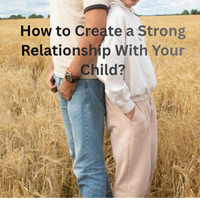
How to Create a Strong Relationship With Your Children

Introduction:

Creating a strong relationship that will last for life with your kids. Every parent worries constantly about their children – usually before they are even born.

We worry about them being safe and how they will thrive in a changing and challenging world.

How to create a strong relationship with your child


Every parent wants the absolute best for their children and for them to mature into resilient, independent adults.

At CosyChats.com we support personalised parental support and parent mentoring. CosyChats.com offers a parenting safe space free from judgement and shame where no question is too small and not issue to big.

A powerful technique towards this is nurturing an open and sharing relationship with your child where they feel they can approach you to tell you anything – without feeling fear, guilt, or shame – only hearing your guidance.

Is a strong bond natural?

Parents often think they will always have a strong bond with their children and we hope you do but not all families have this. Relationships break down especially as children grow and become teenagers. Cosychats hosts a parenting community that can offer help and support to you and by sharing their experience on how they maintained a healthy, effective and loving relationship with their child. There is no shame or judgement as we know how easy strong bonds with your children can be tested. How isolating and distant teenagers can be.

As the milestones of my son growing up fast came and went by, I feel fortunate that he has come to me when he has needed help, advice or just to vent how he felt. I felt we had a strong relationship and that we could discuss most things openly. 

Help for parents

At first it would be just him telling me about his day at the end of school, but then it became about his friendships and what he wanted from his life.

When we moved house we talked about him being happier and preferring being somewhere rural and meeting new people.

And then, unfortunately there are the less happy things such as the peer pressure and judgement of the teenage years, the pitfalls of dating and when education pressures start to weigh heavy.

I feel very fortunate to have this safe space in my small family for him to share with us but I don’t think it was just by accident. 

My honest hope is that by using some  of the ideas and tools in this blog, anyone can build openness, trust and grow the confidence in their children to share their thoughts and feelings so important in future adulthood. Building a strong relationship was important for me, i wanted my son to trust me and be able to speak to me. 


Why being an Approachable and Open Parent helps build a Strong Relationship with  your Children 

If Work getting in the way of your family read our blog  What Happens When WORK Disrupts Time With Your Kids?

Do you remember times when you felt your feelings just didn’t matter?

That time at work in a meeting when your boss ignores your opinion completely?

The girlfriend that just tells you your opinion is wrong without even listening?.

Maybe as a child when you were upset and a parent just told you to not make such a fuss..

Now do you remember the times you felt that your feelings and opinion did matter?

When someone took the time not to just listen – but to understand your viewpoint.

How they tried to change things for you you felt something was unfair

When they didn’t just dismiss you and tell you to get on with it

If you remember the difference, you will understand why it’s important for a parent to have a an open sharing relationship with their child. 

If you have been treated like this you will have empathy for:

Feeling anger because your feelings didn’t matter.

Feeling shame for feeling this way to start with.

And insecurity because your feelings were rarely valued.

Knowing these things we should focus on the strong relationship we are building with our children.

It’s important to remember that in childhood we learn about the world, and how to process our emotions. The sort of relationships you form with other people.

When a child grows up without the security and comfort of having a safe space they can end up emotionally distant, insecure or  scared of commitment.

Without a sense of safety, risky behaviour is more likely, because they have never felt safe.

If they aren’t successful in approaching people and expressing themselves they can end up with lower confidence, making adult life harder – the opposite of what we really wanted for our children.

The Benefits of Being an Open Door Parent to build a Strong Relationship with your child 

A great way of imagining what an open parent child relationship looks like is an open door.

Your child should feel comfortable sharing anything with you but this requires trust, communication, and a supportive environment.

The door is a great analogy because it works on so many levels.

Being an open door means that you are mostly always available, but it also means that you don’t ever force or expect that conversation. You can show them that the door is open, but they have to choose if they want to share, and when. Celebrate their honesty, as the foundation to an open and trusting relationship.

It also means they are free to leave, they only have to say what they want to and can leave at will. There are ways, however of encouraging your child to share, and practical tips on how to have these conversations when they do

How to Build a Strong relationship with Your child.

How to really listen to your child – pitfalls parents fall into that create distrust 

When your child chooses to start this conversation, be fully present as much as possible.

There are times of course, like when life is hectic or possibly you are driving, when it’s harder to do this. You can always agree to finish talking about it later.

During your talk, put everything else aside, put the phone down and give it your full attention.

Make them know you are listening by reflecting (asking questions or making statements to how you are listening) what they say to you as this also makes them feel validated. Make them feel seen and understood. When they do talk, be transparent and honest in your dialogue – building credibility and growing trust. 

Asking open ended questions also stops the conversation shutting down.

Your child may also communicate better in different ways. A text or note might work better than face to face, talking during an activity might open things up.

If we try to take an interest in their world and what is important to them, they may also feel more comfortable in coming forward to you. 

Why Really Listening to Your Child is so important

Its really important your child feels heard and knows that you as their parent will listen.  Most parents will say they listen to their children but do we really listen?  I think the biggest culprit is ‘distracted listening’. Listening to your child but being engaged on something else, usually your phone. Give your children attention.  Make them feel their feelings matter and you care.  Most parents do care and want to hear their children but often parents give the impression of being distracted.

Give Support to your Child not Judgement

As a parent is try to show empathy wherever possible and ask open-ended questions. Children are more likely to talk if you listen without judgement or criticism. A technique for this is to say ‘I’ instead of ‘you’ statements, taking the focus off them. Also encourage them to talk by praising their honesty. Use words that support and show your love, not criticism or minimising the problem.

It’s also important to stay calm if the conversation gets tough or touches on taboo subjects – it’s important they feel safe coming to you in the future.

You can  show your support by brainstorming and working on problem solving solutions together – as a team.

Be mindful that building a strong relationship with your child takes time and the relationship will be tested.  Being a parent means considering the long term relationship and not reacting or worse over reacting to the extent your child child not fears being able to tell you things.

How to spend quality time with your child and still be a parent. 

Quality time with your child is a given for a great relationship with your child.

It’s also a great way to encourage them to be open with you. By choosing activities they enjoy, they will be relaxed and more inclined to talk.

Find rituals that stick, a chat at bedtime or the school run and family dinners eaten together.

Personally I would take my son on a bike ride, or a hot chocolate as a treat on Fridays.

Experiment what works for you and your child don’t force it just find something you can enjoy with a treat ideally.  The hot chocolate is our father son thing, something we enjoy together and strengthens the bond between us.

If you do this regularly enough you can also check in, asking them how they are doing.

Start this good parenting habit early so it becomes their normal. Try to keep your promises to be there – but don’t expect that they will automatically open up to you. Be patient especially with teens. You build a strong parent child relationship but it will change and you will have to adapt your parenting style. Things change for teenagers and what was cool pre-teens may not be anymore, including you.  

Balance a child’s right to privacy with parental responsibility.

Another facet of keeping your parent child bond connected is to respect your child’s privacy. If they feel you are intruding they are less likely to be open with you or share problems in the future.

Balancing your child’s right to privacy and your role as a parent can be difficult at times.  If your child is at risk then you may reasonably decide their privacy is a secondary concern.

My advice would be if you can look into their life without them knowing then consider it.  Checking phones is a big one.  If you can check it without them knowing then this maybe a good solution.  You need to be prepared to defend and explain your right as a parent to delve into your child’s personal life though.

It maybe better to be up front and ask your child more personal questions but this may just shut them down and highlight your interest.  Its not ideal but sometimes being a parent involves being sneaky.

Ultimately your parental responsibility is to keep your children safe and free from harm.  The wishes of your child are out weighted by the right of you as a parent to them i think.  If you explain why you breached their privacy your child may not like it but hopefully they’ll understand why you did it as their parent, because you love and care for them.  Sometimes listening takes a back seat as a parent and you need more direct action to help and support your children.

Modelling good parent behaviour and sharing vulnerability 

Maybe in the past you have heard other parents say,”Do as I say, not as I do”. 

Hopefully this is just a way of saying that as parents we know we are not perfect.

This aside though, a very powerful way of encouraging your child to be open and share with you- is to do this yourself. Don’t be afraid to open up your life before you were a parent to your child. 

How to create a strong relationship with your child

Whether during a period when they are beginning to open up to you, or just in general. They can only feel more comfortable to talk when you nurture an environment of openness and  trust. Sharing the times you went through similar problems, and how you personally overcome them. Builds trust and will bring you together.


For me personally – not hiding my own problems from my son- mental or physical brought another affect that I did not even expect. 

Being open, being honest, takes away the pressure of hiding it from your child. From pretending that everything is fine. This is a weight off your shoulders that nobody including parents needs to carry.

Sometimes what your child might say could even surprise you in how useful it is to your problem. Our children should not be our therapists, but they see the world in a much more open and simple way.

You may be surprised how helpful and understanding your children can be to your needs and see you as more than a parent who tells them what to do and a human who has their own frailties.


How guidance and not punishment can help you form a better relationship with your child


Focus on what you as a parent wanted to achieve with your child.

Creating a parent child safe space will bring benefits to both of you, and strengthen your relationship for a lifetime.

Although there are times when there will need to be punishment for your child, the occasions where they have shared something difficult might not be one of these times.

This doesn’t mean there can’t be consequences for your child, but by focusing on the guidance, and explaining how it’s different from punishment – the outcomes will hopefully be more positive and your child will still want to share with you in the future.

By removing fear and retribution, and by using problem solving and discussion then you can have healthier consequences and not just punishments without any subsequent change.

Being a parent means you have to think of the war and not just the battles but also battles aren’t really battles, they are opportunities to provide guidance to your child.


Conclusion

Building an open, sharing relationship with your child doesn’t happen overnight.

It needs a lot of patience and experimenting to find out what works.

But it is worthwhile. The bond of trust and dependability will build resilience, trust and a relationship that will last a lifetime. 

Even if you feel you don’t have this quite yet, it’s never too late to start.

Start small by introducing ritual quality time with your child with regular check-ins. Tell them you are always available for them, be patient and practice active listening.

Be open to sharing feelings and thoughts in both directions with your child to grow their  trust.

If you wish to discuss this further or get help with any other parenting issues. Feel free to contact me on CosyChats.

CosyChats.com hosts experienced parent who can provide Personalised Parent Support including how to create a strong relationship with your children.

CosyChats supports personalised parent support. CosyChats offers a parenting safe space free from judgement and shame where no question is too small and not issue to big.
Why Parents Should use the CosyChats parent support service.

🛟1-2-1 Personalised Parent Support Sessions


🧷Safe Parent Support Spaces Free From Judgement and Shame

👍🏼Where No Parenting Problem Is Too Big and No Parenting Question Too Small

👩‍👦Parents Supporting Parents Offering Compassion and Understanding

🆘Practical Parenting Support Created by UK Parents

🧑🏼‍🦱Parent Mentoring from Parents with Real Lived Parenting Knowledge & Experience

💻Online Parenting Support from the comfort of your own home.

Top 10 Benefits of the CosyChats parent support service.

👍🏼Access to a wealth of Parenting Experience and Knowledge.

👍🏼A Personal Parenting Mentor for you

👍🏼Parent support via phone, Text or On-Line.

👍🏼Parent Support Groups for key development stages

👍🏼Flexible parenting support sessions.

👍🏼Online parenting support at a reasonable cost.

👍🏼Parent support sessions can be gifted to a parent who needs parental support.

👍🏼Parent to parent support group harness wide parenting experience.

👍🏼Parenting support services are booked in 10 minute slots.

👍🏼Parenting support from real parents who want to help.

Thank you for reading the blog  (how-to-create-a-strong-relationship-with-your-children). Understanding how creating a strong bond with your child is beneficial. Can change the way you think about parenting your child.

A scared parent being threatened by a violent child and needing parenting support

Being hit and beaten by your children – Support for Parents

Domestic violence was never part of your family. Your family home used to be a place of love, playful laughter and happiness.

Now it’s a place of fear, raised voices and you dread being hurt by your own children.

What do we mean by hitting and domestic violence?

Domestic violence sounds harsh and serious words.  Sometimes parents will say they just hits me when he or she is angry. We used the term (domestic) violence in this blog because that’s what it is and its important to recognise violence and violent behaviour and not apologise or cover it up.

Support for parents of teenagers


How did violence become a routine part of your life?

As a parent the moment your newborn child is placed in your arms you feel their vulnerability. In their tiny size you feel they are dependent on you in every moment, and you know that from now on, you will do whatever it takes to protect them.

Inevitably your relationship with your child becomes different at each stage of their life and eventually you will have conflict with your child.

Of course this is normal, especially during the teenage stage, but what happens when it goes from raised voices and slammed doors to pushing, shoving, bruises or worse, Violence against you? Violent children.

When you are faced with domestic violence and the only thing you want is the best outcome for your children it can be hard not to be paralysed by fear and shame. Who would want to admit they are scared of their own child? Who would want to admit their child uses violence against them? 

If you ignore it maybe it just gets even more frequent, violent and maybe they start to do it to someone else.

Try to resist it, maybe you or they get hurt.

If you argue with them, maybe they get more angry and use more violence. Can you reason with violent children.

Help for parents


And maybe, reporting it and asking for help labels them as a criminal, and does more harm than good.

All you wanted to do was love them to make them happy but it’s starting to feel like they hate you and everyone is miserable. Violent children need help but how do you provide that help

All you hoped was to keep them safe but now they are just hurting you – mentally, emotionally and even physically.

The parent support dilemma of violent children. 

What to do when your child uses violence against you. 

Statistics are rare on violent children whee children use aggression against their parents but it is known that forty percent of parents do not report it before it becomes more serious. Domestic violence goes un-reported every day. 

Sometimes we can hope it will pass or improve on its own, maybe we feel guilty or ashamed to admit to it and face judgement. You don’t want to be seen as that bad parent after coming so far.

But It’s vital that if you feel you, your family or your child are in danger from aggression or violent children that you seek help, immediately if you need it.

Violence from anyone should not be tolerated including violent children, even if they are your own children. 

Parents frequently don’t report what they are going through or seek help and there can be many reasons for this.  We know parents who are routinely living with violence from their children. Parents who live with the violence because they just don’t know what to do and are ashamed and afraid to ask for help.  

The motives don’t have to be as extreme as the fear of a criminal record for your child or the extreme fear they could be taken away.

There may-be a fear that confronting the problem will make your child angrier or use more violence towards you.

Often it’s as simple as not wanting to taint the relationship with your child for life, the hope is the violence will just resolve itself with the passing time or the fear of judgement from other parents, friends and family members.

As parents we strive to be the best we can be, it’s very hard to put up your hand and admit you are struggling. You might feel so guilty, or become so deeply immersed into denial about how bad things have become – that you are paralysed into inaction.

Admitting your child is using violence against you is often too big an issue to share.

Easier the parent thinks, to put up with it.

Often the best way to help your child is to recognise that you need help, and to realise you aren’t helping them or yourself if you become hurt. Violent children need help

Occasionally an abused parent may hesitate because they worry they won’t be taken seriously, or that there will be no useful help.

Parent Support – Your child becoming violent does not mean you are a bad parent.

Take some reassurance that the problem is way more common in families than may realise, and this does not make you a bad parent.

Violence against parents is reported in at least 3 percent of UK homes, but the figure is probably much higher due to historically low reporting.

Parental abuse happens to people from all walks of life and in many varied circumstances.

Whatever you do as a parent don’t suffer in silence or accept your child’s violence against you. 

There is always hope – with many things that you can do as a parent, and if applied well hopefully we can avoid things getting any more serious.

Another consideration is that parental abuse is frequently varied, complicated and may evolve. There may not be violence in the beginning. Most children aren’t born violent.

It can start with raised voices but may become emotional, coercive, include damaging property, financial, online or other controlling types of abuse – as well as sadly involving violence. 

It might also start with one form and mutate into one or more of the others.
v

Parents maybe be accepting of poor behaviour and sometimes blame themselves for not tackling the behaviour sooner not realising or accepting it is not their fault, and they are not to blame.

The reasons why children use violence and what to do when your child becomes violent. 

Trying to solve the problem of child aggression is like navigating roads without a map, or building furniture without the instructions.

As well as there being multiple reasons why it could be happening, it could also be many of them simultaneously. Being aware of these possible reasons however can only make the issues more relatable and cultivate higher levels of empathy.

Developmental and emotional factors

Teenagers are famous for their moodiness. It’s a period of life full of hormones with a growing struggle for independence. Additionally during this period a teenage brain is still developing (especially the prefrontal cortex) so they may act before they think.

Rules, limits and authority can all be reacted against explosively and unpredictably.

Family and relationship dynamics

Circumstances at home, or with the most important people in their lives, can be another factor in childhood aggression. Changing dynamics, such as family breakdown, arguments and conflict, especially with the child feeling ignored or emotionally unsupported, can also trigger conflict and violence.

When there are arguments between adults within a family home, sadly it can become normalised for children and so they may mirror this behaviour at home.

Finally, as much as teenagers love to argue – they actually need structure and boundaries. Inconsistency often just leads to more power struggles.

External pressures

Teenagers, and young people have never had quite so many pressures as nowadays.

Academic stress, social media or peer pressures, cost of living worries and all the usual difficulties that come with becoming an adult – all add to stress and may lead to outbursts of anger and aggression.

Mental health struggles

It’s not always the case that children show they are struggling with their mental health by being withdrawn or tearful. Depression, anxiety, ADHD, or trauma can sometimes show up as irritability and aggression. 

Even if your child is not suffering with mental illness then low self esteem or insecurity can also drive their behaviour.

The outbursts are the warning signs that these problems need addressing.

Useful Techniques

Although you may feel alone and helpless in the moment there are definitely things you can do to hopefully diffuse the situation. Some techniques might work better than others and results might be different day by day.

Safe Space

During incidents move both physically and conversationally away from your child.

Give them the room to vent their emotions and gradually calm down.

Being closer can just be intimidating for both of you and if things do escalate you are within physical reach.

If your child uses violence then have a plan and be near to an exit, while also trying to keep them away from things that can be damaged or things they may do damage with. 

Remove objects that can be harmful.

Safe words

If we can diffuse an incident with space then often we can also with the words we choose.

How do you feel when you are upset about something and the person dismisses you, minimises your feelings or just ignores what you have to say?

Often this just makes us feel worse, if not more angry.

Your child does not have to be factually right for you to listen attentively and acknowledge what they are saying to you.

It is then a learned skill to decide if to tell them politely how you disagree, to let things slowly fade away, or to gently change the subject. Only understanding the situation will let you judge which approach is best.


The calm after the storm

Arguments aren’t solved in the heat of the moment, and that’s why it’s always best to wait

Personally, I have had several disagreements with my son when the best thing to do was actually nothing.

Sometimes he would just be over-tired or stressed about something and all that arguing about it would do – is make it more strained.

Waiting hours or even sleeping on it and waiting for the next day invites true calm and lets emotions regulate. Jumping straight into a lecture is rarely productive.

This also gives you the space to think about the words you pick and to carefully pose your body language as one of the hardest parts in diffusing arguments is to not restart the argument or accidentally say something that makes it actually even worse.

Try to use I statements instead of you statements. For example;

“I felt scared when you shouted at me”, 

not blaming – “ You’re always so violent”.

Reflection

Follow this up by asking them to reflect on how they felt as it was happening but explain that their actions were unacceptable and where the boundaries should be.

Hopefully in explaining why they felt so emotional, the root causes, if any, will be revealed. Listen very carefully without jumping to judgement.

Listen carefully to what they have to say to you, carefully not dismissing or patronising them.

If you dismiss them out of hand and don’t actually discuss how they feel or their opinions they will just feel ignored, dismissed or worse, treated as a child – increasing anger and resentment.

Furthermore if you don’t debate their opinions or feelings, how can they ever alter?

Together you can then move forward and respectfully solve these issues together.

Finally, try to pivot into doing something more fun together.

The easy way to think of correcting this aggressive behaviours is:

“Calm first, connect second, correct third.”

If parents jump to punishment too quickly, the teen may shut down or become defensive. But if parents avoid addressing it at all, the aggression can escalate. Balance is key.

Documenting

Writing down the details of incidents, what happened before, and what worked can be a great idea.

It can also be a way for you to realise how serious the problem is, and if it’s getting worse.

Looking outwards.

Share your feelings. Have an outlet to share your emotions and for someone else to be objective. Parents often don’t want to admit behaviours and violence is getting worse. 

This can give you the breathing room to cope, and a new perspective.

Of course this also applies equally to your child, they too many benefit from talking about it to friends, a different relative, support group, or a professional as part of therapy.

It’s also important to look after yourself, emotionally, physically and mentally.

Take time out to relax and shift focus from the issue.

Parent Support – When should you contact the Police?

What can the Police do.?

Cosychats offers a parenting support service that draws upon the experience of other parents.  A parent mentorship to help and support other parents but our service is remote and on-line. We are not with you. We don’t live your life but we know as parents sometimes you need to put yourself first to support your child.  If your child is becoming violent they need help.  Contacting the police can provide that help.

Parents are often reluctant to involve the police for fear of retribution and demonising/criminalising the child. As a parent support group our advice would be to talk to the police, share your concerns and see how the police can help you and your child.

If you are in danger or fearful do not hesitate to contact the police.

Conclusion

Parenting Support – Don’t Suffer in silence, there is always help and people who can help.

Sadly, aggression from children towards their parents is not rare, and a lot of it goes hidden.

It does not make you a failure as a parent  and it happens to all sorts of families from every background.

There are things you can do to work on the problem, but seeking help is a sign of strength not weakness.

If you ever feel in danger it is very important to get help, even if this means contacting the police. Don’t assume that this will always result in the worst outcome for your family. They are there to help.

Doing this is how you protect you and your family and stop things getting worse.

If you want to talk about this or any other parenting issues, feel free to contact CosyChats.

CosyChats is a Parent Support Service for Parents.

We support personalised parent support. CosyChats offers a parenting safe space free from judgement and shame where no question is too small and not issue to big.

Why Parents Should use the CosyChats parent support service.

🛟1-2-1 Personalised Parent Support Sessions

🧷Safe Parent Support Spaces Free From Judgement and Shame

👍🏼Where No Parenting Problem Is Too Big and No Parenting Question Too Small

👩‍👦Parents Supporting Parents Offering Compassion and Understanding

🆘Practical Parenting Support Created by UK Parents

🧑🏼‍🦱Parent Mentoring from Parents with Real Lived Parenting Knowledge & Experience

💻Online Parenting Support from the comfort of your own home.

Top 10 Benefits of the CosyChats parent support service.

👍🏼Access to a wealth of Parenting Experience and Knowledge.

👍🏼A Personal Parenting Mentor for you

👍🏼Parent support via phone, Text or On-Line.

👍🏼Parent Support Groups for key development stages

👍🏼Flexible parenting support sessions.

👍🏼Online parenting support at a reasonable cost.

👍🏼Parent support sessions can be gifted to a parent who needs parental support.

👍🏼Parent to parent support group harness wide parenting experience.

👍🏼Parenting support services are booked in 10 minute slots.

👍🏼Parenting support from real parents who want to help.

Call to action. – Parents supporting parents.

If you hear or see violence see how you can help.
Its far too easy to think everything must be ok, the parent has it all under control but if you have concerns don’t leave them.  Follow up up your concerns.  Offer help and parenting support.  Were all parents and parenting is hard enough. Sometimes we need support but don’t ask for it.


If you see someone who needs help. Help them.  That maybe a simple acknowledgement of i’m here if you need me to more practical or direct help but parenting support and help can be so beneficial.

Being parents isn’t easy and there are more and more traps and pitfalls to fall into.  That’s why we set up CosyChats com to help support and guide parents.

CosyChats is a personalised parent support Service that can provide support to parents across a wide range of parenting issues including how to educate your children and give them the best and most effective life skills.

If you need help being a parent.  Raising happy and well rounded children. We’re here for you offering practical and emotional support.  Parenting knowledge and experience, all in a judgment free space.

More Parent Support From CosyChats

The Loneliness of Being a Parent That Nobody Tells You About

Why Do We FIGHT So Much NOW That We Have KIDS?

Is PHONE ADDICTION Ruining Your Family Bonding?

Thank you for reading this blog (Parenting support for parents who are hit by their kids).

CosyChats is a personalised parent support Service that can provide support to parents across a wide range of parenting issues including how to connect with your children and spend quality time together.  How to leave your parenting guilt at the door and build a solid and happy relationship with your children.

https://www.citizensadvice.org.uk/family/children-and-young-people/protecting-children/if-you-report-child-abuse-to-the-police/


Parental Support For Fearful Children

How to provide parental support to fearful children?

A new survey of the perception of safe spaces for women casts a worrying fear among young women as to their safety.

The survey of women found, 31% of women avoiding taking public transport alone and 56% of women feel unsafe travelling alone, a third of women avoiding public transport.

Support for parents of teenagers

The survey also found, 86% of women avoided going out after dark, rising in girls of colour. Fears around women’s safety being paramount in the responses.

Fears around solo travel and personal safety for women have led to behaviour changes with girls changing what they wear, where they socialise and exercise to avoid harassment.

The survey also worryingly identified young women respondents  do not feel schools are safe places, 58% of school children saying they had heard toxic comments including 32% of young women  seeing a member of staff subjected to sexist or misogynistic abuse.

Read Great Blog Is WhatsApp SAFE for KIDS?

With 1 in  10 school girls saying they did not feel safe at school.  The figures rise across the board for LGBTQ+ or  disabled girls with  pupils intentionally missing school to avoid harassment.

These are worrying statistics that represent the fear that exists in so many young women. For parents this fear presents a parenting challenge. How to keep your children safe and give them the confidence to live their life.


How do Parents Support Fearful Children?

Parent Support Action No1- Identify the fear in your child.

My son is terrified of tsunamis. We has a real fear of tsunamis, so much so he doesn’t really like going to the sea side. We know this because when we go to the seaside he gets nervous. His fear is clearly displayed but when your child’s behaviour isn’t.

Read Great Blog How to learn – The power of sport to teach children

As the survey results above show children avoid their fears by avoiding the situation. The behaviour may mask the fear. As parents children not wanting to go to school is common but understanding the reasons why helps understand the fear. 1 in 10 children saying they did not feel safe at school.

Parent Support Action No2. – Having an open, shame and blame free dialogue with your child.

Parent support is often giving your children space and security to communicate without fear of embarrassment or shame.  In the same way Cosychats offers, Parent support free from judgement and shame, parents need to offer their children the same safe space.  Where children can communicate their feeling’s and fears openly.

Don’t dismiss your child’s fears as trivial or unrealistic.

Your child’s fears are fears for them. They may out grow them but at his moment they are real and impact full  to your child.

help for parents

When providing parent support one of the CosyChats motto’s is ‘No problem is too big, No question too small or trivial’.  We offer that support to parents.  Parents need to offer the same support and free safe space to their children.  This will allow them to understand their children and understand their fears.

Parent Support Action No3. – Understanding your child’s fears allows you to understand their actions.

Your child is afraid of being bullied at school for being different. To avoid the bullying they avoid school.

Read Great Blog When CAHMS fails you what do you do

Without this understanding you just see a child refusing to go to school.  With the understanding you know why they don’t want to go to school and can help.

Parent Support Action No4 – Deciding how best to help a fearful child.

We helped our son by understanding his fear more.  He fears tsunamis but also fears a natural disaster ending his family life.  He fears being left alone and losing his family. This really helped us understand him and allowed us to help him.

Your child’s fear may justified or not. It doesn’t really matter I think. Its their fear. Its how they deal with it that matters. How you as a parent support them in dealing with their fears.

Whether that is avoiding the fear or accepting the fear and continuing.

The older I’ve got the more afraid i am of roller coasters and fairground rides.  I don’t go on rides.  I’m fearful and i’m OK with that.  It works for me but fear can prevent you living your life.

Parenting Support – How to Support a Fearful Child

Conclusions for Parent Support.
  1. Create a safe space to communicate with your child


  2. Identify and understand your child’s fears and behaviours


  3. Accept not dismiss fears.


  4. Decide how best to help your child.


CosyChats is a Parent Support Service for Parents.

CosyChats supports personalised parent support. We offer a parenting safe space free from judgement and shame where no question is too small and not issue to big.
Why Parents Should use the CosyChats parent support service.

🛟1-2-1 Personalised Parent Support Sessions

🧷Safe Parent Support Spaces Free From Judgement and Shame

👍🏼Where No Parenting Problem Is Too Big and No Parenting Question Too Small

👩‍👦Parents Supporting Parents Offering Compassion and Understanding

🆘Practical Parenting Support Created by UK Parents

🧑🏼‍🦱Parent Mentoring from Parents with Real Lived Parenting Knowledge & Experience

💻Online Parenting Support from the comfort of your own home.

Top 10 Benefits of the CosyChats parent support service.

👍🏼Access to a wealth of Parenting Experience and Knowledge.

👍🏼A Personal Parenting Mentor for you

👍🏼Parent support via phone, Text or On-Line.

👍🏼Parent Support Groups for key development stages

👍🏼Flexible parenting support sessions.

👍🏼Online parenting support at a reasonable cost.

👍🏼Parent support sessions can be gifted to a parent who needs parental support.

👍🏼Parent to parent support group harness wide parenting experience.

👍🏼Parenting support services are booked in 10 minute slots.

👍🏼Parenting support from real parents who want to help.


Call to action. – Parents need to educate their sons.

Educating your children to improve women’s safety.

If the survey results disappointed, saddened and scared you, as they did me then do something about it. Parents lets be more proactive around women’s safety. Be proactive in discussions with your children. Be mindful of influences on your children.  Counter the toxic male stereotypes and behaviours that are promoted against women.  Teach our children to be respectful and value women’s safety. To understand actions and words can have a serious impact on another persons fears and self worth.

As a parent of boys and girls this is so important as we have seen the toxic impact on all our children.

Being parents isn’t easy and there are more and more traps and pitfalls to fall into.  That’s why we set up CosyChats com to help support and guide parents.

CosyChats is a personalised parent support Service that can provide support to parents across a wide range of parenting issues including how to educate your children and give them the best and most effective life skills.

If you need help being a parent.  Raising happy and well rounded children. We’re here for you offering practical and emotional support.  Parenting knowledge and experience, all in a judgment free space.

More Parent Support From CosyChats

Does your child spend their life on-line?

Women’s safety fears can lead children and teenagers to spend more time on-line. A teenagers life can increasing be on-line and not real world. Should we as parents be worried about this? Read our latest blog ‘When On-line Becomes Your Teenagers Life‘


Are you fearful of your daughter going out but also staying in too much. Modern parenting can be confusing and contradictory. We’re parents to and were here to provide Parenting help and Support.

Parents do you struggle to balance work and life?

You need to Read This blog ‘How to Balance Work and Life’ and still have time for your family.

“Never get so busy making a living that you forget to make a life.”

– Dolly Parton, Country Singer

Parents Of Teenagers on Cosychats.


Thank you for reading this blog (Parental Support For Fearful Children).

Survey resource

CosyChats is a personalised parent support Service that can provide support to parents across a wide range of parenting issues including how to connect with your children and spend quality time together.  How to leave your parenting guilt at the door and build a solid and happy relationship with your children.