Tag Archives: gentle parenting

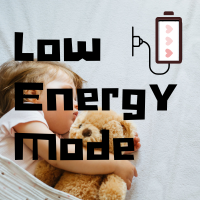
"A peaceful toddler sleeping soundly in a low-stimulation nursery

The Rise of “Low-Stim” Play: Why Parents Are Swapping Bright Lights for Quiet Nights

What is Low-Stimulation Play? (And Why Your Toddler Needs It)

In a world of flashing toys and high-speed cartoons, our kids’ nervous systems are often stuck in overdrive. Low-stim play focuses on “slow” entertainment—activities that don’t provide instant, artificial hits of dopamine. Think of it as a “sensory detox” that helps improve attention spans and reduces those end-of-day “witching hour” collapses.

Parenting is hard. Tablets and technology provide and easy fix to engaging your toddler but there can be a price to pay. Over-stimulation and a re wiring of the brain.  Low stimulation play is gaining popularity as a way of regulating play to include lower stimulating play.

3 Simple Ways to Fight Toddler Over-stimulation


1. The “Slow TV” Switch

We’ve all seen the “zombie stare” kids get from high-sensory shows. Parents are now pivoting to low-stim media—shows with muted colours, natural pacing, and acoustic soundtracks.

The Go-To’s: Classics like CBeebies Classic: In the Night Garden, The Tiger Who Came to Tea or Bing.

The Rule: If the camera cuts every 3 seconds, it’s likely overstimulating. Look for long, steady shots.

2. Sensory Bins: The Ultimate Focus Builder

The magic of a sensory bin is that it’s open-ended. There’s no “winning” or “levels”—just the tactile feeling of materials.

Dry Play: A tub of dried chickpeas, lentils, or kinetic sand with a few measuring cups.

Wet Play: A tray of soapy water and a few plastic “dirty” toy animals to “wash.”

Why it works: It grounds the child in their physical senses, which naturally lowers cortisol levels.

3. Toy Rotation & “Visual Silence”

Sometimes, the problem isn’t what they’re doing, but what they’re seeing. A room overflowing with bright plastic toys is a sensory minefield.

The Fix: Limit the “out” toys to 5–8 items. Store the rest in opaque bins.

Natural Materials: Prioritise wood, cotton, and wool. These materials have natural textures and weights that help a child understand their physical strength and coordination better than light plastic.

The Digital Detox: How to Wean Your Toddler Off High-Stim Devices

If the idea of weaning your toddler off technology feels too overwhelming just know you’ve got this.  Follow these small steps to help build boundaries that will work for you and your toddler.

1. The “Fade Out” Method (Don’t Go Cold Turkey)

Abruptly hiding the tablet usually leads to a “protest meltdown.” Instead, reduce the intensity first.

The Greyscale Trick: Go into your tablet/phone settings and turn the screen to Greyscale (Black and White). High-stim apps lose 80% of their “magic” when the bright neon colours are gone.

Volume Cap: Lower the maximum volume on the device. Lowering the sensory input makes the transition to “real world” sounds easier.

2. The “Bridge” Activity

Never turn off a device into “nothingness.” Always have a high-value, low-stim replacement ready to go before the screen goes black.

The Magnet Tile Setup: Have a half-built tower ready on the floor.

The Sensory Bin: A fresh tub of kinetic sand or water play is often the only thing “exciting” enough to compete with a screen.

The Goal: You aren’t “ending” the fun; you’re “moving” the fun to the floor.

3. Use “Visual Timers”

Toddlers have zero concept of “five more minutes.” They need to see time disappearing.

The Sand Timer: A physical 5-minute sand timer is hypnotic and low-stim.

The App Timer: Use a visual countdown clock that slowly changes colour.

The Rule: When the timer hits zero, they get to press the “off” button. Giving them the final action provides a sense of control.

4. Swap the “Type” of Tech

If you need 20 minutes to cook dinner, don’t reach for the iPad. Swap the Visual Stim for Audio Stim.

Audiobooks & Tonies: A Yoto Player or Toniebox allows them to “operate” their own entertainment (autonomy) without the brain-frying blue light.

The “Slow TV” Pivot: Transition from high-speed cartoons to “Slow TV” (like Puffin Rock or a live stream of a zoo panda) for a week before moving to total “off” time.

5. Create “Screen-Free Zones”

Boundaries are easier to follow when they are physical.

The Bedroom is Sacred: No devices in the bedroom, ever. This reinforces that the room is for “low-stim” rest.

The Table Rule: Meals are for sensory connection (tasting, smelling, talking). Keep devices in a “charging station” in another room.

6. Be the “Mirror”

Toddlers are “super-mimics.” If they see you “doomscrolling” on your phone, they will crave that same glowing rectangle.

The “Phone Bed”: Have a designated basket where your phone “goes to sleep” when you are playing with them.

Narrate Your Tech Use: If you must use your phone, say it out loud: “I’m just checking the weather for our walk,” then put it away. This teaches them that tech is a tool, not a toy.

Creating a “Low-Stim” Sanctuary

You don’t need a minimalist mansion to make this work. A simple “cosy corner” with a few soft pillows, a stack of board books, and a dimmable lamp can be a toddler’s best friend after a busy day at nursery.

When we lower the volume of the world, we give our kids the space to actually hear their own imagination.

The “Low-Stim” Wind-Down: A Bedtime Routine for Overstimulated Toddlers

1. The 6:00 PM “Visual Dim”

Melatonin (the sleep hormone) needs darkness to trigger. About an hour before sleep, start

“The Dimming.”

Turn off overhead lights: Switch to warm floor lamps or salt lamps.

The “No-Screens” Rule: Screens emit blue light that tricks the brain into thinking it’s morning. Aim for zero screens at least 90 minutes before bed.

Lower the Volume: Switch the background vibe from upbeat music to “pink noise” or soft acoustic guitar.

2. The Heavy Work Bath

A bath isn’t just for getting clean; it’s a sensory transition.

Temperature Matters: A slightly warm bath helps the body’s core temperature drop afterward, which is a biological signal for sleep.

Grounding Time: Let them “scrub” themselves or squeeze out heavy sponges. This “heavy work” helps ground a child who feels “flighty.”

3. The “Brain Dump” Storytime

Instead of high-intensity adventure books, choose rhythmic or repetitive stories.
Whisper Reading: Start reading at a normal volume and gradually get quieter (and slower) as the book progresses.

The “Today” Recaps: Before the final tuck-in, do a quick “low-light” chat. Ask them for one thing that made them happy today. It helps process the day’s emotions so they don’t pop up as “stalling tactics” later.

4. The “Sleepy Body” Scan

If your toddler is still wiggly, try a mini-meditation.


The “Squish”: Starting at their toes, have them “squeeze” their muscles tight for 3 seconds and then “melt like ice cream.” Work your way up to their face.>
Weighted Comfort: A weighted blanket (check age/weight safety) or a heavy knitted throw can provide the “hug” sensation that lowers anxiety.

5. Night Lights

If your little one needs a nightlight, swap the white or blue bulbs for red or amber tones. Red light is the only spectrum that doesn’t interfere with melatonin production, keeping their “sleep brain” active even if they wake up briefly in the night.

Master the “Stall”: How to Handle Bedtime Excuses Without the Drama


1. The “Power of Two” Choices

Stalling is often a bid for control. Give it back to them—on your terms. Instead of “Go to bed,” try:

“Do you want the blue pyjamas or the dinosaur ones?”

“Do you want to hop to the bathroom like a frog or slither like a snake?”

Why it works: Their brain switches from resisting to deciding, satisfying that need for independence.

2. The “Bedtime Pass” (The Game Changer)

Give your child one physical “Bedtime Pass” (a decorated card or a special stone).

The Rule: They can use it once for anything—a glass of water, one more hug, or a quick question.

The Reward: If they don’t use the pass by morning, they get a small incentive (like a sticker or choosing the breakfast music).

Why it works: It validates their need for “one more thing” while putting a firm boundary on it.

3. The “Curtain Call” Hug

Sometimes kids stall because they’re afraid they’re missing out on the “party” downstairs.

The Strategy: Tell them, “I’m going to go fold three shirts/wash two plates, and then I’ll come back and give you one last ‘tuck-in’ kiss.”

Why it works: It lowers their separation anxiety. They know you’re coming back, so they don’t feel the need to shout for you.

4. Anticipate the “Needs”

Beat them to the punch. Before the final tuck-in, do a “Master Check”:


“Is your tummy full?”

“Did we get all the wiggles out?”

“Is there a ‘secret’ you forgot to tell me today?”

The Final Clause: “Once the light goes red, the kitchen is closed and the ‘talking mouth’ goes to sleep.”

5. The “Boring Parent” Persona

If they do get out of bed, become the world’s most boring human.

No Lectures: Don’t explain why they need sleep.

Minimal Eye Contact: Keep your voice a low, robotic whisper.

The Phrase: “It’s time for sleep now. I love you. Back to bed.”

Why it works: If stalling results in a fun debate or a long cuddle, they’ll keep doing it. If it results in a boring walk back to bed, the “reward” disappears.

Here are top recommendations for a low-stim bedtime:

1. The Gold Standard: “The Rabbit Who Wants to Fall Asleep”

This book by Carl-Johan Forssén Ehrlin is famous for a reason.

The Vibe: It uses specific psychological techniques, including rhythmic language and yawn-inducing sentence structures, to lead a child toward sleep.

Why it works: It’s designed to be a “functional” audiobook—its primary goal is sleep, not high-energy entertainment.

2. Classic & Cozy: “Winnie-the-Pooh” (A.A. Milne)

The Hundred Acre Wood is the ultimate low-stim setting.

The Vibe: Gentle, repetitive adventures with no high-stakes villains.

Recommended Version: The Bernard Cribbins or Stephen Fry narrations are often praised for their warm, “snuggle-down” quality.

3. Modern Sleep Aids: “Ladybird Sleepy Tales”

Developed in collaboration with The Children’s Sleep Charity.

The Vibe: These ten stories (like Inside the Cosy Cocoon or Sky Magic) use soothing voices to describe comforting, stationary settings.

Why it works: They focus on mindfulness and relaxation rather than a plot that keeps a child wondering “what happens next?”

4. Rhythmic Favourites: “Goodnight, Goodnight, Construction Site”

Perfect for toddlers who love vehicles but need to calm down.

The Vibe: The story follows busy trucks as they finish their work and go to sleep one by one.

Why it works: The clear rhythm and “goodnight” pattern act like a lullaby for kids who find routine comforting.

5. Podcast Options: “Koala Moon” & “Sleep Tight Stories”

If you prefer a podcast format for your smart speaker:

Koala Moon: Features host Abbe Opher, whose voice is a parenting legend for its calming effect. Each episode is an immersive journey into a “Sleepy Forest”.

Sleep Tight Stories: Uses ambient backdrops like chirping crickets and rustling leaves to ground the listener.

Ready to reclaim your quiet evenings? 🌙


If you’re struggling to navigate the “witching hour” or need a custom low-stim plan tailored to your toddler’s personality, we’re here to help. [Book a 1:1 CosyChat today] and let’s build a bedtime routine that actually sticks—no more stalling, just sweet dreams.


parent and child, child not being heard or understood by the parent

Why being heard and understood is so important as a parent 

How parents can feel shut down and left without a voice

Being heard and understood is vitally important for parents.  Let us give you an example.  A parent on CosyChats shared her mother in law saying ‘well you wanted the child’ after she had told her how she was struggling with the new baby.  In that one simple sentence she wasn’t heard and she wasn’t understood.

Being heard as a parent .

The parent concerned felt unheard.  She’s shared how she was struggling and this was dismissed. She wasn’t heard, no empathy, comfort or assurance. Just dismissal.  I asked how this make her feel and she said very lonely. Like my emotions and feelings had no value.

Being understood as a parent

Clearly there was no understanding.  As far as the parents mother in law was concerned you have a baby and you deal with it.  It was your choice. ‘What else is there to it?’

Being heard and understood affects your life

Being heard and understood are fundamental human needs because they provide the psychological and biological safety required for health, connection, and self-identity. Experts increasingly emphasize that these experiences are not just “luxuries” but essential for long-term mental health and relational stability but we believe even more so for parents.

At Cosychats we believe parenting is the hardest job.  It can be incredibly complex, challenging and difficult.  The minute you feel on top of it something changes and your back to winging it. Being heard and understood is vital for parents. In the example we shared had the mother in law offered emotional support it would have gone so far.  Validating the emotion of feeling out of your depth (babies will do that to anyone) would have gone so far and in the words of the parent, at that point, meant the world, that i wasn’t alone or a failure as a mum.

The importance of being heard and understood can be categorized into four primary areas:

1. Psychological & Biological Safety

Nervous System Regulation: Feeling understood sends a signal to the brain that you are safe. This reduces stress hormones (like cortisol), steadies your heart rate, and makes emotional regulation easier.

Antidote to Isolation: Lack of understanding activates brain regions associated with negative affect and physical pain. Being heard acts as a safeguard against depression and the “quiet ache” of invisibility.

2. Confirmation of Identity

Self-Verification: Having others see you as you want to be seen confirms your sense of self and assures you that your identity is justified.

Validation of Worth: When someone listens without judgment, they give you “permission to exist” exactly as you are, which directly builds self-esteem and self-worth.

3. Strengthening Relationships

Emotional Intimacy: Understanding is the “glue” of intimacy. It allows people to connect beyond roles and surface-level interactions.

Conflict Resolution: When people feel heard, they are less defensive and more willing to compromise. In mediation and difficult conversations, feeling understood is often the prerequisite for reaching an agreement.

Relationship Resilience: Feeling understood leads to “relationship identification,” where you see the relationship as a central part of who you are, making you more likely to protect it and forgive minor transgressions.

4. Personal & Professional Growth

Mental Clarity: Expressing your thoughts to a listener who “gets it” helps you process complex emotions and gain fresh insights that you might not have reached alone.

Workplace Belonging: In 2026, workplace trends prioritize “creating space for voices” to foster high-quality connections, as employees who feel heard are more productive and committed.

Life experience of not being heard and understood can have a dramatic impact on your life and your welfare.

The really sad thing is that it would have taken much for the mother in law in our real life to have dramatically changed  the outcome. Feeling understood validates identity, fosters belonging, and strengthens relationships for overall well-being.

At CosyChats we understand and believe in listening and understanding. Providing a clam space that parents can feel safe in.  Not judging but helping and supporting as best we can.  It sounds quite simple but it can have a huge impact on someone.  Just demonstrating i’m listening and i understand, I’ve walked in your shoes. Your emotions are valid.

How the traditional village to raise a child may have changed.

Parents often feel more isolated because they probably are. Generational and technological changes have an impact but there are other factors that makes parenting more difficult and isolating.

1. Breakdown of the “Village”


  • Geographic Distance: Modern families often live far from extended relatives, losing the “built-in” help of grandparents or aunties who traditionally shared the workload.

  • Individualistic Culture: In many Western societies, the responsibility of child-rearing has shifted from a communal effort to a solo or two-person job, creating an unnatural burden.
<
2. Economic and Structural Barriers.


  • Cost of Living: For 48% of parents, financial strain is a primary driver of isolation. High costs prevent them from attending social groups, paid classes, or even finding the time to connect with others.

  • The “Double Burden”: Parents—particularly mothers—are often expected to work like they don’t have children and parent like they don’t have a job, leading to extreme emotional fatigue and lack of time for self-care. 


3. Digital and Social Pressure

  • The Comparison Trap: While social media connects parents, it also creates a “perfect parenting” myth. Seeing curated, “Instagram-ready” lives can lead to feelings of inadequacy, shame, and a desire to hide one’s own struggles.

  • Technoference: Excessive screen use can interfere with face-to-face adult connections and even disrupt the quality of parent-child interactions, making parents feel lonely even while physically with their children.


4. Identity Shifts and Stigma

  • Loss of Previous Self: Many parents feel a “seismic shift” in identity, where their sense of self is consumed by duties, making them feel alienated from old friends and past lives.

  • Fear of Judgment: Parents may avoid sharing their struggles for fear of being viewed as “bad parents” or “unfit,” especially in toxic social circles. 


Conclusions – Why being heard and understood are so important

The science backs this up.  As an individual this is important but as a parent even more so.  Having responsibility for another person carries great weight.  Weight many people struggle to carry.

Struggling being a parent is not something we should ignore or dismiss.  Its real and happens to so many people.  Parenting is hard but parenting without a voice or being understood is made so much harder.

Its simple and until you’ve experienced t you may not understand how damaging it can be.

As CosyChats we are committed to listening and sharing knowledge and experience.  We believe lived experience brings understanding and emotional support.  No parent has to feel alone, without a voice and misunderstood.  CosyChats is here.

CosyChats is a personalised parent support Service.

What is Cosychats.com and what does Cosychats do?

Introducing CosyChats

🛟1-2-1 Personalised Parent Support Sessions

🧷 Safe Spaces Free From Judgement and Shame

👍🏼Where No Problem Is Too Big and No Question To Small

👩‍��Offering Compassion and Understanding

🆘From Real Parents Who Know How Difficult Being a Parent Can Be

🧑‍🤝‍🧑Real Lived Knowledge & Experience

💻Virtual Sessions Where You Are In Control

Top 10 Benefits of the CosyChats service.

👍🏼Access to a wealth of Parenting Experience and Knowledge.

👍🏼Your own personalised 1-2-1 service.

👍🏼A safe space free from judgement and shame.

👍🏼You are in control and choose the CosyChats parent and service that’s right for you.

👍🏼Years of lessons learnt and experience gained that can all be shared.

👍🏼Being understood and your needs heard.

👍🏼No question is too small, no problem too big.

👍🏼Compassion and support from people who understand how difficult being a parent can be.

👍🏼Its affordable and is far greater value than professional providers.

👍🏼Meetings are on online so you can join from where you feel most comfortable.

Thank you for reading ‘Why being heard and understood is so important as a parent ‘

Being a parent can be challenging. This is one of the reasons we set up CosyChats. CosyChats hosts experienced parents who can share their experience and knowledge by provide support and help to other parents. Seeking the help and support of someone who has walked in your shoes is absolutely the right thing to do.

Good or bad parent

Am I a Good or Bad Parent?

Am I a good or bad parent? How many times have you asked yourself this? A 1,000 times or more?

CosyChats is a parenting community and this is a question parents ask themselves. We’re parents to and we’ve asked it ourselves far too many times.  At CosyChats we know parents can be hard on themselves and this creates self doubt, fear and lack of confidence, often unnecessarily.

I dislike the term bad parent. Parenting is hard and demanding. Describing someone as a bad parent feels harsh but bad parents do exist though and we need to recognise this.  If we don’t we don’t give those parents a chance to change their lives.

Why are parents so hard on themselves?

Often parents are harder on themselves than they need to be. The probability is that as your concerned enough to ask if your a good or bad parent you at least want to improve being a parent. Most likely your not a bad parent. Your also not a perfect parent but probably do suffer periods of self doubt and feeling out of your depth. I think this is more common that we think.  Parents seem to be hard on themselves because being a parent is a really important job with lots of responsibility. We don’t want to get it wrong.

help for parents

Being a parent isn’t easy and parents can be too hard on themselves not celebrating enough themselves and what we get right as parents. We know this because we’re parent too. At Cosychats we host a range of parents who want to help and support you.

It is because were parents we understand and want to help, to share our experience and knowledge in a supportive and non judgmental way. Were not perfect parents nor do we know all the answers but were here to help.

There are no perfect parents.

Now more than ever the desire to be the perfect exists and parenting is no different.  Social media drives a lot of this with influence’rs posting their perfections and not their reality.

Don’t fall into comparison or judgement trap. Don’t create a race you cannot win.  Perfect parents do not exist.  At CosyChats we interact with lots of parents and we’ve never found a perfect parent but some of the most grounded and accepting (of themselves) parents are ones who learn to accept their mistakes, learn and move on. Parenting doesn’t always allow you time to think in the moment but once those seeds of doubt have been planted they will grow.

Talking to another parent helps you to ground your ability and expectations. One of our parents sums it up as ‘most parents are just winging it anyway’. On Cosychats you’ll find lots of helpful and supportive parents who want to help and help and support you however they can.

Taking the pressure off ourselves as parents.

There is enough pressure on parents without us adding more ourselves but that’s what we do.  We set expectations and judge ourselves harshly. As parents we should look for ways to reduce stress and pressure on ourselves.  Step back and think about where your pressure comes from, friends, social media, family?  Find it and do your best to stop it.

This doesn’t mean isolating yourself its learning to manage and deal with people around you that don’t add to more pressure and expectation to your life.  Cosychats.com is a parenting community and we host parent who you can book a session with, parents who can listen and help you create your own safe space to reduce pressure.

Every parents makes mistakes and has bad days.

Children don’t come with a manual. What works one day fails the next. What works for one child may not work for another. Being a parent is a complex and challenging job and we can interpret lots of things as making us bad parents when they are just part of being a parent.

Things that don’t make us bad parents.

Bad parents do exist though.  We know that but lets not tarnish ourselves as bad parents just yet.  Lets go through things we might think make us bad parents but actually don’t.

Getting the work life balance wrong.

We provide for our families. That’s what families do and going to work can be demanding. The work life balance is unlikely to always be level and often swings but that doesn’t make us bad parents.  It makes us busy and committed parents.  However busy you are make even a small window of time for your children.  They’ll love and appreciate you for it. Read Get Your Work Life Balance Right

Not being rich.

Money does not improve us as parents.  Money can add security and pay for nice things but it never replaces time spent with children.  Forget thinking money will make you a better parent.  Quality time with your children is free.

Being inexperienced parents

Every parent has to start off somewhere and all the reading and preparation can’t compare you for the moment you become a parent.  So many parents and grandparents say they learn something new every day.  Being a parent is accepting you don’t know everything and are still learning. Children are a puzzle that changes with a new challenge every day. Learning is part of it.  Cosychats is a parenting community where the most experienced and knowledgeable parents freely admit they can still be surprised and learn new things every day.  That’s just parenting. Read Stop feelings of isolation being a parent

Making mistakes

Following on from inexperience comes learning.  Learning through making mistakes. So much of parenting is trial and error.  Finding out what works and what doesn’t.  There is no pause button and sometimes you just have to go with what you think is best and hope for the best.  Its not perfect but its how parenting works for so many families.this doesn’t make you bad parent’s.

Not being able to cope.

There is a sense of failure at not being able to cope as a parent but so many parents we speak to, including ourselves have periods of not being able to cope as a parent.  There it is, sometimes its just too much.  We want to walk outside and scream or curl up in a ball in a warm dark place.  Fade into the background.  Not be pestered.  Not have responsibility for your children.  Sometimes its just too much and we shouldn’t apologise for that.  That’s just the way it is.  Recognise your own limitations and try as best as you can to stay within them.  Not always possible but step beyond your own limitations and you put more pressure on yourself. Your not superhuman and eventually all that pressure will weight down on you.

Addictions.

Being a parent does not shield you from addictions.  Life unfortunately is not that simple.  Good parents can have addictions and addictions can be strong.  Like any addiction the solution is to get help especially when that addiction starts to impact the welfare of your children.

Recognising you own addictions.

Before you skip past this section take a moment to recognise your own addictions.  Drugs, gambling and alcohol are the obvious ones but so many addictions lie in the background unnoticed.  Recognising and being honest about your own addictions, really helps. Most people can’t let go of their phones and some spend time on their phone over time with their children.  This doesn’t necessarily make you a bad parent but it does make you a distracted one and to some degree a neglectful one.  Build time off your phone and with your family.  Be a good role model.

Read Is PHONE ADDICTION Ruining Your Family Bonding?

Being a poor role model.

Do what i say not what i do is seen through and children recognise and copy your behaviours. Bad habits can repeat through generations.  Take time to think about this and change your behaviours.  Your can’t protect your children from life but you can change or alter your behaviours to set a good example to your children.  This is in your control.

Read How a Role Model Can Empower Kids

Not getting on with your children.

Just because you don’t get on with your children doesn’t make you a bad parent. In fact the opposite may be true.  Setting guidelines and making rules isn’t going to make you popular.  Being a parent isn’t about being your child’s best friend, although if you can get  that balance right, great for you.

Read How to Create a Strong Relationship With Your Children – Cosychats

Your children don’t turn out the way you wanted.

Allowing your children space and giving them tools to choose and succeed on their own path is part of your job as  parent.  They may change career paths and i’m sure make mistakes along the way but allowing them freedom to decide and find happiness seems the right thing to do. This is a big topic and some parents disagree. Read FORCING Your Child to Follow YOUR Dreams Not Theirs?

So am I a good parent or a bad parent?

What is a bad parent really?

I think most of us find it easier to understand what a good parent is but what is a bad parent really? We thought about this a lot and think at the core of that question is the basics.

Being a bad parent is, intentionally or neglectfully;

-neglect your children’s needs,

-don’t feed or care for your children,

-don’t keep your family safe, .

-harm or neglect your children.

Conclusion – So am I a bad parent?

This blog is to re assure most parents that there not bad parents.  They’re human and full of self doubt that makes them vulnerable.  Parents make mistakes, doing a difficult job. They have occasional bad behaviours but are still good parents. Parenting can be isolating and this allows fears and doubts to grow. Taking time to talk to other parents help you recognise the imperfections in other parents and realise your own strengths and strengths as a parent.

Sure your not the perfect parent but who is? Recognising your not a bad parent really helped us move on as parents. To accept our parenting imperfections and worry less about them and spend more time with our children.

If you still consider yourself a bad parent.

There is no blame here. If you are unable to care and protect your children, you and your children need help. If this is you then please reach out and seek help. A good starting point we found is your local GP or NHS Service. 

Parenting Support.

We exist to support parents.

CosyChats.com is a community of parents. We host experienced parents who can provide Personalised Parent Support including sharing parenting knowledge and experience including parenting mistakes and mishaps. Parents who can chat, listen and be there for you. Parents who understand how difficult parenting can be.

A parenting safe space free from judgement and shame where no question is too small and not issue to big.

Why Parents Should use the CosyChats parent support service.

🛟1-2-1 Personalised Parent Support Sessions

🧷Safe Parent Support Spaces Free From Judgement and Shame

👍🏼Where No Parenting Problem Is Too Big and No Parenting Question Too Small

👩‍👦Parents Supporting Parents Offering Compassion and Understanding

🆘Practical Parenting Support Created by UK Parents

🧑🏼‍🦱Parent Mentoring from Parents with Real Lived Parenting Knowledge & Experience

💻Online Parenting Support from the comfort of your own home.

Top 10 Benefits of the CosyChats parent support service.

👍🏼Access to a wealth of Parenting Experience and Knowledge.

👍🏼A Personal Parenting Mentor for you

👍🏼Parent support via phone, Text or On-Line.

👍🏼Support Groups for key development stages

👍🏼Flexible parenting support sessions.

👍🏼Online parenting support at a reasonable cost.

👍🏼Parent support sessions can be gifted to a parent who needs parental support.

👍🏼Parent to parent support group harness wide parenting experience.

👍🏼Support services are booked in 10 minute slots.

👍🏼Parenting support from real parents who want to help.

help for parents

Thank you for reading the blog  (am-i-a-good-or-bad-parent). We hope we have offered you re-assurance and given the confidence to make mistakes and move on without being too hard on yourself.

About the author.

This blog was written by a parent of three adopted children who does have occasional bad  behaviours and plenty of parenting self doubts but is a good parent and recognises this.

Part of adoption for us is not being able to share pictures or information on ourselves to protect our children childhood.


a dad and son walking while the dad explains why being a positive role model is a good trait in a father

How To Create Positive Role Models For Children

Why do children need positive role models?

Younger children look up to their parents like hero’s. Sheer bewilderment about how amazing you are. How you are the source of knowledge and authority.  For them you are the source of the universe but as children grow so do influences on them.  They begin to form their own opinions and find influence and hero worship elsewhere.  As parents you understand this.  As difficult as it is to relinquish that role, you cannot be your child’s only hero.  There has to be space for other hero’s for your children but as parents you cannot control these choices or influences.

Read Blog: How to Create a Strong Relationship With Your Children – Cosychats

Your parents probably spoke about not falling in with the wrong crowd and while that is true there is a whole new crowd on-line and in social media. So many of these influences are poor and /or misguided.

Your children need positive role models. As parents we need to guide them or at the very least be able to have a conversation to counter the toxic bubbles that exist online.  Teenage years especially can be hard and parents need to keep on talking, keep on being a positive part your child’s life.

Read Blog: Are TEENAGERS Safe With Their Lives Online?

Positive role model’s are like a light that guide your children through a dark forest of life where pitfalls and evils lurk. Self doubt, body shaming, drugs, alcohol the list is endless but your child is not alone you are their for them.  You are their guide and you may lose sight of them at times but you keep your beacon of positively and support aloft for them.

Parents need to be able to provide positive support and guidance for their children.

It sounds so obvious but so many parent lose sight of this.  ‘They’ve made their own choices and must suffer the consequences.’  While natural consequence is a way of learning its not a way of washing your hands of you children. Your children need that positive guide throughout their lives.  We never lose the need for parental support and wisdom. Cosychats is built upon the benefit of sharing experience and knowledge and this is so true of the parent child relationship.

You never give up on your children.

Read: FORCING Your Child to Follow YOUR Dreams Not Theirs?

There are so many competing influences and voices tempting your children.

👍🏼Personalised Parent Support from CosyChats.com👍🏼

The Power of Social Media and the Internet

We know children no longer watch TV preferring social media videos and influencers.

Children spend six hours or more a day on screens – BBC News
This is a world parents may not understand or be part of. Its a largely an unregulated world relying on the free speech argument. Online safety laws unsatisfactory, Technology Secretary Peter Kyle says – BBC News 

Children can now easily find role models online and here in lies the problem.  There is little or no regulation that prevents children forming unrealistic and damaging expectations due to the influence of role models.

If you think this is harmless browsing think again.
Kent headteachers back smartphone ban after Netflix’s Adolescence – BBC News

‘Boys formed Andrew Tate club in School’ – teacher

Our experience echo’s this where my 11 year old son starting quoting Andrew Tate to me. Talking about women in a derogatory way and using explicit terms. I was quite shocked but i shouldn’t have been surprised. This is the world they live in.

What did surprise me was that he didn’t take much notice of me. I was the positive role model and being ignored

CosyChats is for parents by parents. Were here to listen and support you with whatever help you need being a parent.  We’re a parenting community  that understands how difficult being a parent can be. 

When i tried to explain why Andrew Tate wasn’t a positive role model. What Andrew Tate represents and says aren’t good things, he looked at me and said i didn’t know what i was talking about.  This wasn’t going to be a quick conversation and it took plenty of explaining to challenge the stereotype he had formed.

How to create positive role models for children?
Be a positive role model.

Now more than ever parents need to be positive role models.  Check your behavior. Think about what you project to your children.  Re-enforce your own positive behaviour.

Talk to your children.

Understand what they are viewing. Whet they are interested in. Who their friends are.  Its not an inquisition, do it calmly and compassionately.

Discuss things.

If they mention a influence or belief you don’t agree with explore it with them.  Don’t just shut them down.  With my son it took a few conversations to put an alternative view across.  I didn’t just say Andrew Tate was wrong as that’s my view. Its about understanding his view and exploring it to educate him and then re enforcing the education.

Be vigilant

Its surprising how quickly views from.  From an early age.  In the BBC report the boys were under 10.  Social media and the internet mean your children are exposed to greater content at an earlier age. That positive role model may not be in your child’s life and you don’t realise it.

Being a parent is amazing and life changing but also difficult and challenging.  Children can test you and  we believe every parent needs plenty of support. We know we’re parents ourselves.  Speak to other parents and get the help you need and the support your family needs.
Check your internet setting.

If you don’t have child filters on, turn them on but don’t rely on them.  They didn’t stop my son learning about Andrew Tate.

Promote positive influences

Use positive role models. Explore and share positive role models.  Don’t force it maybe just put a picture up and let them explore.  Use local clubs. Sports clubs can have positive role models and have positive influences built in. Boxing clubs teach respect and self discipline. Football clubs promote team work.   Libraries usually have book and reading clubs.  We have a great local art centre that does loads of half terms clubs and events to promote creativity and self expression.


CosyChats Personalised Parent Support for You, because Family Is Everything.

CosyChats is a personalised parent support Service that can provide support to parents across a wide range of parenting issues including how to connect with your children and spend quality time together. How to leave your parenting guilt at the door and build a solid and happy relationship with your children.

Parents on Cosychats.
🛟1-2-1 Personalised Parent Support Sessions

🧷 Safe Spaces Free From Judgement and Shame

👍🏼Where No Problem Is Too Big and No Question To Small

👩‍👦Offering Compassion and Understanding

🆘From Real Parents Who Know How Difficult Being a Parent Can Be

🧑‍🤝‍🧑Real Lived Knowledge & Experience

💻Virtual Sessions Where You Are In Control


Top 10 Benefits of the CosyChats service.

👍🏼Access to a wealth of Parenting Experience and Knowledge.

👍🏼Your own personalised 1-2-1 service.

👍🏼A safe space free from judgement and shame.

👍🏼You are in control and choose the CosyChats parent and service that’s right for you.

👍🏼Years of lessons learnt and experience gained that can all be shared.

👍🏼Being understood and your needs heard.

👍🏼No question is too small, no problem too big.

👍🏼Compassion and support from people who understand how difficult being a parent can be.

👍🏼Its affordable and is far greater value than professional providers.

👍🏼Meetings are on online so you can join from where you feel most comfortable.

CosyChats is a personalised parent support Service that can provide support to parents across a wide range of parenting issues including how to connect with your children and spend quality time together.